Celebrity Color Analysis
Deep Autumn
Celebrities
Deep Autumn is the warmest, richest corner of the autumn family — golden and intense rather than muted, deep rather than light. Here are ten celebrities whose natural coloring fits the type, with a breakdown of what the color analysis actually shows for each.
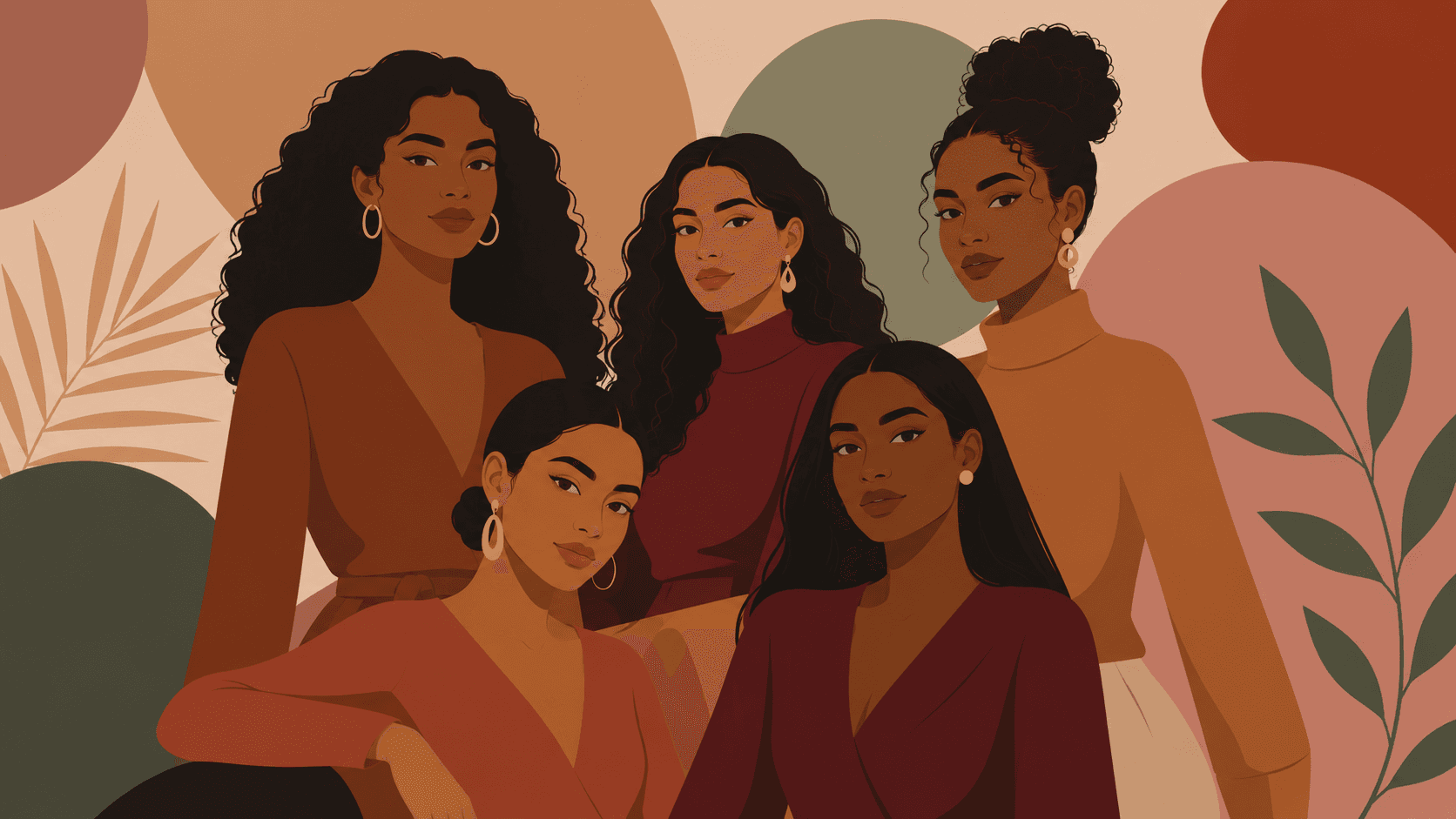
What Deep Autumn actually means
Deep Autumn sits at the intersection of warm undertone, deep coloring, and richer chroma than its neighbor Soft Autumn. The result reads as grounded and intense: warm without being vivid in a cool-season way, deep without being harsh. Best colors are the richest versions of the warm-earth family — cognac, rust, warm burgundy, deep forest green, rich camel, amber.
The warm undertone means skin reads golden, olive, or amber rather than pink, rosy, or neutral-cool. Hair tends to dark brown, near-black, or warm dark auburn rather than ash or cool-toned. The depth means that the overall picture has contrast and richness — dark features against warm skin — rather than the blended, low-contrast quality of Soft Autumn. That combination of warmth and depth is what allows Deep Autumn types to carry the most saturated versions of warm earth tones without being overwhelmed.
For how Deep Autumn compares with neighboring seasons including Soft Autumn, True Autumn, and Dark Autumn, the Deep Autumn season guide covers each trait in detail.
10 Deep Autumn celebrities
Beyoncé
Warm golden-brown deep skin, dark warm-brown to near-black hair, and warm dark brown eyes. She is the most frequently cited Deep Autumn reference in the color analysis community. Skin, hair, and eyes all pull warm and deep — nothing reads cool or muted. Cognac, warm bronze, deep rust, and rich camel consistently appear in her strongest looks. When she wears cool or pale shades the warmth in her natural coloring becomes the loudest element in the frame, because nothing in the outfit is working with it. In warm deep tones, everything coheres.
Eva Longoria
Warm olive medium-deep skin, dark near-black hair, and warm dark brown eyes. A classic warm-deep profile. The olive quality in her skin is useful for understanding this season: olive doesn't mean neutral — it is a distinctly warm undertone quality, reading greenish-gold rather than pink or grey. Cognac, caramel, warm burgundy, and deep forest green all show up in her strongest looks. Cool or icy shades push against the undertone rather than working with it.
Deepika Padukone
Warm golden-brown deep skin, dark near-black hair, and warm dark brown eyes. The warmth in her skin reads golden rather than neutral or cool. She is probably the most frequently cited Deep Autumn reference for South Asian skin tones, and her range demonstrates that this season spans ethnic backgrounds and geographic origins — the diagnostic is undertone and depth, not heritage. Deep warm tones work consistently: cognac, warm rust, deep olive, rich camel. Cool or muted tones undercut the natural richness.
Jennifer Hudson
Warm deep brown skin, dark hair, and warm dark eyes. The richness and warmth in her coloring is consistent — golden-brown rather than neutral or cool. Deep warm burgundy, cognac, and warm rust look right on her. What's notable is the chroma: her best looks carry enough saturation in the warm direction to match the natural coloring, not undercut it with muted or pale alternatives. Cool shades make the undertone look muddy rather than warm.
Salma Hayek
Warm olive medium-deep skin, dark near-black hair, and dark warm brown eyes. Her coloring has more chroma and richness than Soft Autumn — the olive warmth reads deeper and more intense. That difference matters in practice: a Soft Autumn type would look overdressed in Salma's most saturated warm looks, but those same shades work for her because her coloring has the depth to carry them. Warm emerald, cognac, rich burgundy, and deep camel suit her consistently.
Iman
Deep warm-brown skin with a rich golden quality, dark hair, and warm dark eyes. One of the clearest references for Deep Autumn at the deepest end of the season. Her best colors are deep and warm: cognac, amber, warm forest green, rich burgundy. Cool or muted tones look wrong, and it is not about depth — she has plenty of depth for dark cool shades. It is the undertone. The warm, golden quality in her skin needs warm colors to look right. A cool charcoal reads entirely differently than a warm espresso.
Taraji P. Henson
Warm deep brown skin, dark hair, and warm dark eyes. The warmth is prominent and consistent — golden-brown rather than neutral. Deep rust, warm burgundy, and rich camel look natural. When she wears cool or very muted shades the warmth in her face becomes the most obvious feature in the frame because nothing in the outfit is pulling in the same direction. The mismatch is legible. When she is in warm, deep tones, skin and clothing read as part of the same palette.
Sofia Vergara
Warm medium-deep olive skin, dark hair, and warm dark eyes. The warmth in her coloring is obvious and vivid — not muted like Soft Autumn but rich and saturated. That distinction matters for color application: Soft Autumn needs earthy, desaturated warm shades; her coloring supports richer, more vivid versions of warm. Cognac, warm red, deep teal, and rich camel all work. The debate between Soft Autumn and Deep Autumn for her placement comes down to how much chroma you read in unretouched photos — most detailed analyses land in the warm-deep direction.
Ciara
Warm deep brown skin, dark hair, and warm dark eyes. Consistent warm-deep profile. Her strongest looks are in deep warm tones: cognac, warm rust, rich copper, and deep camel. The richness of her natural coloring supports those saturated warm shades in a way that would read as too strong on a Soft Autumn type. In cooler or muted tones the outfit looks like it belongs to someone else's color palette — the warmth in the face is the first thing you notice.
Eva Mendes
Warm medium-deep skin with a golden-olive quality, dark hair, and warm dark brown eyes. She sits near the True Autumn boundary — some analysts place her there, some in Deep Autumn — but the consistent element is warm and deep. Cognac, warm burgundy, deep olive, and rich camel appear in her strongest looks. Whatever the exact boundary call, both readings land on the same side: warm and deep. Pale or cool shades look borrowed.
What all of them have in common
Two patterns show up across the ten above. First: none of them have cool or neutral undertones. Every case is clearly warm — golden, olive, amber, or a combination. Hair, eyes, and skin all pull in the same warm direction. Second: none of them have the desaturated, muted quality that defines Soft Autumn. The warmth is rich and present, not blended into softness.
That chroma difference is what separates Deep Autumn from Soft Autumn most clearly. A Soft Autumn type in the same cognac dress as Beyoncé or Eva Longoria would look overdone — too saturated for their softer palette. For a Deep Autumn type, those rich warm shades match the natural coloring exactly. The depth handles the intensity.
Look at the styling across this list. Most of them show up strongest in the rich warm tones — cognac, warm red, deep camel, earthy forest green — and noticeably less themselves in cool, muted, or icy shades. That is not personal preference. The undertone creates a predictable relationship between coloring and clothing: warm skin reads most alive next to warm fabric, and cool fabric creates a visible clash regardless of how skilled the styling is.
Could you be Deep Autumn?
The quick diagnostic: if your skin reads golden, olive, or amber (not pink, rosy, or neutral-grey), your hair and eyes are dark (medium-dark to very dark), and rich warm tones look more natural on you than muted or cool ones — you are likely in the warm-deep range. Whether you land in Deep Autumn specifically or a neighboring type like True Autumn or Dark Autumn depends on how the chroma reads and where your undertone sits.
A practical test: hold a clearly cool fabric (dusty blue-grey, soft lavender) next to your face in natural light, then a warm one (cognac, rust, warm camel). If the warm version makes your skin look richer and more even, and the cool one looks like it belongs to a different face, the warm reading holds. Then try a muted warm shade against a rich saturated one — if the saturated version looks right while the muted one looks flat, Deep Autumn is closer than Soft Autumn.
See the full Deep Autumn palette — colors, makeup guide, and what to look for in your wardrobe:
Common questions
What makes a celebrity a Deep Autumn?
Three traits together: warm undertone (skin reads golden, olive, or amber), deep coloring (dark eyes and hair), and richer chroma than Soft Autumn. The overall effect is warm and intense rather than muted or cool. The best colors are deep versions of warm tones: cognac, rust, warm burgundy, and rich camel.
What is the difference between Deep Autumn and Soft Autumn?
Both are warm, but depth and chroma separate them. Soft Autumn is medium depth and muted in chroma — earthy and desaturated. Deep Autumn is darker and carries more intensity. A Deep Autumn type can carry the most saturated warm earth tones; Soft Autumn finds those same shades too strong.
Can lighter skin be Deep Autumn?
Rarely. Deep Autumn combines warm undertone and dark, rich coloring — dark eyes, dark hair. Most people with light skin and dark eyes land closer to Soft Autumn or True Autumn. Salma Hayek represents the lighter end of Deep Autumn with warm medium-deep olive skin.
What colors should Deep Autumns avoid?
Cool shades and pale or icy tones create undertone clashes: stark white, icy blue, lavender, pastel pink, cool grey. Very muted, desaturated tones can also look flat — the depth needs colors rich enough to match. Many Deep Autumn types look better in deep warm brown or espresso than true black.
Related reading
Free · 3 minutes · No signup
Find Your Own Season
Take the free quiz and see your 16-season result. Upload a photo or answer questions about your natural coloring.
Take the free quiz →