Color Analysis Guide
16-Season Color Analysis:
The Complete Guide
Color analysis is a system that helps you find which colors suit you best. When the colors you wear match your natural tonal characteristics, you look healthier and more energetic. Wearing the wrong colors makes you look dull, tired, or sallow.
Already know the theory? Get your result in 3 minutes.
Take the free quiz →
What Is 16-Season Color Analysis?
The earliest color analysis systems had only four seasons — spring, summer, autumn, and winter. Analysts eventually found that four seasons were too broad. Even among people classified as the same "summer type," some suit pinkish-purple while others suit icy blue — the differences are significant.
The system was refined: each major season was divided into four sub-seasons, forming the current 16-season system. It is today the most precise and widely used color analysis framework.
The Four Dimensions That Determine Your Season
The 16-season system uses four dimensions to describe your natural color characteristics.
Undertone
Is your skin tone more golden, peachy, pinkish, or cool gray? Warm undertones correspond to spring and autumn; cool undertones correspond to summer and winter. This is the most fundamental dimension and has the greatest influence on your result.
Depth
Is your overall coloring light or deep? People with lighter coloring can look overwhelmed in very dark colors, while people with deeper coloring can appear washed out in very light ones.
Chroma
Is your coloring clear and vibrant, or soft and muted? Clear types suit highly saturated colors; muted types suit grayed or hazy tones.
Contrast
How much difference is there between your hair, skin, and eyes? High-contrast people carry bold color combinations well; low-contrast people look best in tonal, same-family layering.
The Four Season Families
The 16 seasons are grouped into four families, each containing four sub-seasons.
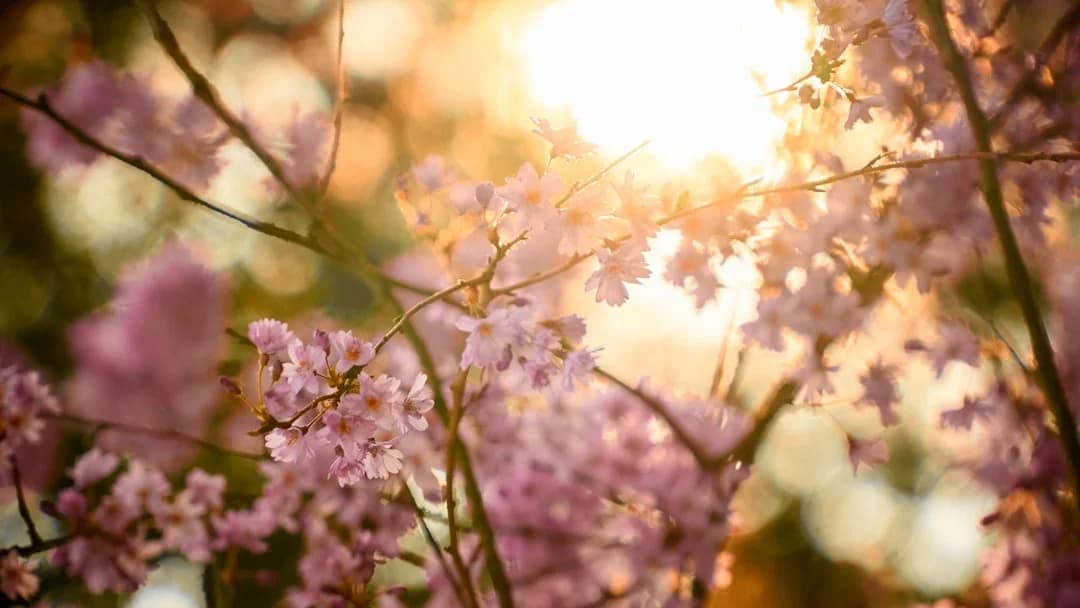
Warm · Clear · Bright
Spring
Spring types have golden or peachy undertones, giving an overall clean and luminous look. Key colors: coral, warm green, apricot, golden yellow.
Cool · Soft · Light
Summer
Summer types have pinkish or grayish-rose undertones, giving an overall misty and diffused look. Key colors: powder blue, lilac, dusty pink, cool gray.
Warm · Rich · Deep
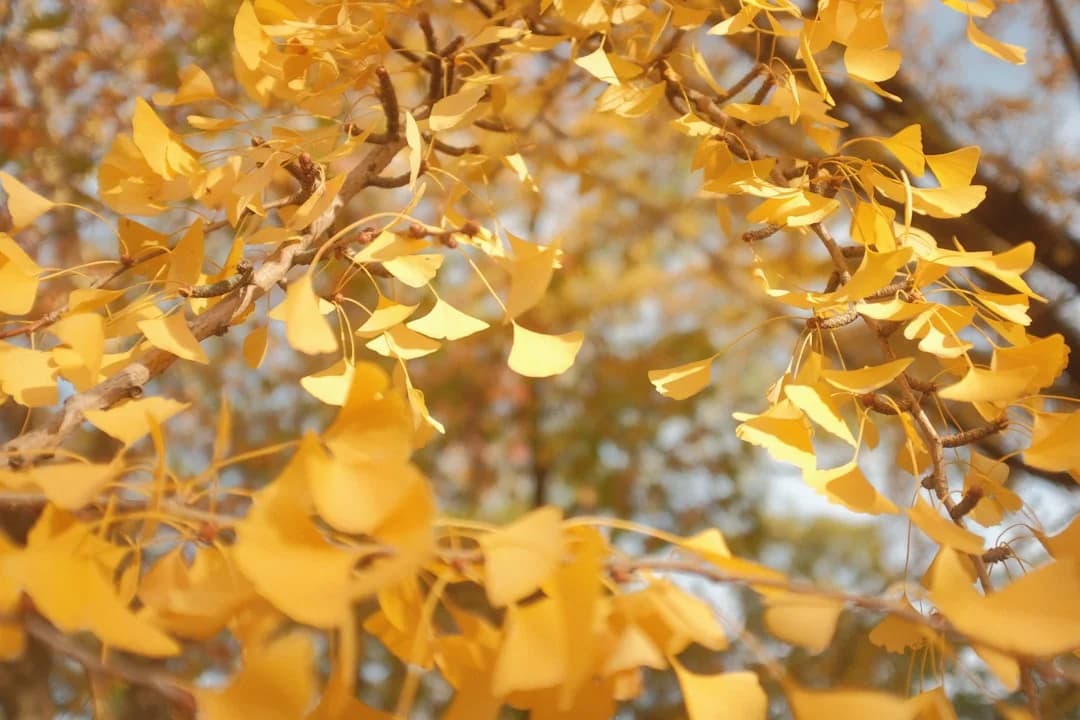
Autumn
Autumn types have deep gold or olive undertones, giving an overall rich and textured look. Key colors: rust red, olive green, caramel, mustard yellow.
Cool · Clear · High-contrast
Winter
Winter types have strong, defined color characteristics. Key colors: pure black, pure white, sapphire blue, true red.
All 16 Color Seasons Explained
Each season has a specific palette built around a combination of undertone, depth, and chroma. Here's what defines each one.
Spring Family
Light Spring
→Fair skin, blonde or light brown hair, overall bright and delicate. Best suited to light peach, creamy apricot, and warm white. Avoid overly saturated or dark colors.
True Spring
→Noticeably warm skin, golden or chestnut-blonde hair, often green or light brown eyes. Wears coral, warm orange, grass green, and golden yellow well.
Bright Spring
→Fair skin paired with dark hair or striking dark eyes — a vivid, punchy look. Suited to saturated warm colors: bright orange, emerald green, vivid red.
Clear Spring
→A spring type leaning toward winter, combining warmth and clarity. Best suited to clear translucent colors: watermelon red, bright coral, clear green.
Summer Family
Light Summer
→As delicate as Light Spring, but cooler in tone. Fair skin with pinkish undertones. Best suited to soft cool colors: pinkish-purple, light blue, lavender.
True Summer
→Cool-toned, soft, and medium depth. Suits dusty rose, misty blue, and cool rose. Keep saturation low and the overall feel hazy.
Soft Summer
→One of the most muted of all 16 seasons. Suits any color with a gray undertone. Avoid anything too vivid or too pure.
Cool Summer
→The coolest summer type, close to winter. Cool-pink or cool-porcelain skin. Suits colors with a blue base: rose brown, ice pink, cool purple.
Autumn Family
Soft Autumn
→Warm but low saturation. Suits neutral warm tones: camel, smoky pinkish-brown, misty sage green.
True Autumn
→Deep gold undertones give the skin a warm glow. Suits rust red, olive, pumpkin orange, mustard yellow. Colors should feel full and textured.
Deep Autumn
→Rich, heavy palette. Suits dark brown, burgundy, forest green, coffee.
Dark Autumn
→The highest contrast and deepest autumn type. Suits dark chocolate, dark green, chestnut. The overall palette should carry weight.
Winter Family
Bright Winter
→The clearest and most vivid winter type. Suits gemstone tones: royal blue, true red, emerald green, pure black paired with vivid accents.
True Winter
→Cool, high-contrast, vivid. Suits pure black, pure white, true red, ice blue. The type most at home in bold, striking combinations.
Deep Winter
→Suits deep navy, black, deep purple, burgundy. Colors need weight — pale shades don't work here.
Dark Winter
→Deep, cool, and sombre. Suits deep brown-black, cool coffee, deep dark green. The darkest territory at the autumn-winter boundary.
Not sure which of these is you?
The quiz analyzes your skin, hair, and eye characteristics and gives you a direct result — free, no signup.
Find my season →16 Seasons vs. 4 Seasons: What's the Difference?
The traditional 4-season system assigns everyone to one of four broad palettes. The problem is that real human coloring is far more varied than four types can capture.
Take "summer": one person might have extremely fair, light coloring, while another has softness but with more depth. Put them both in the same "summer palette" and neither looks quite right.
The 16-season system adds lightness, saturation, and contrast on top of the original four families — making the classification significantly more precise. You're not just in a family; you're in a specific sub-type with a narrower, more targeted palette.
If the 4-season system has always felt like "close but not quite," the 16-season system is probably where you'll finally land cleanly.
How to Find Your Season
Identifying your season requires assessing your skin undertone, overall depth, color saturation, and facial contrast. There are three main ways to do it.
Online quiz
FastestAnswer questions about your skin, hair, eyes, and how your skin reacts to sun — or upload a photo for AI analysis. Our free 16 seasonal color analysis quiz takes about 3 minutes and gives you a direct result.
Take the free quiz →Self-test
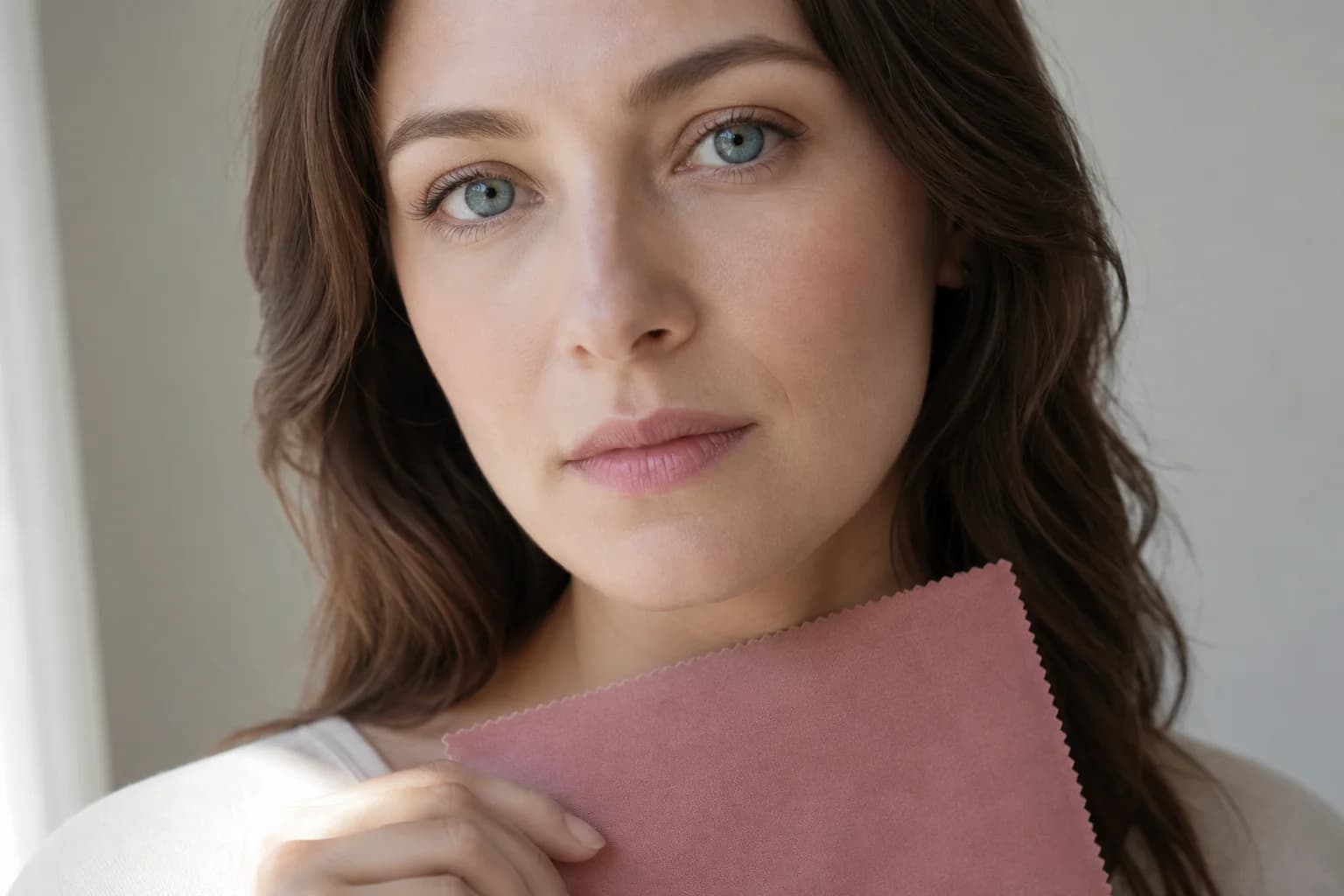
SupplementHold different colored fabrics near your face in natural light and observe which makes you look healthier. Do warm colors bring out your glow, or cool colors? Do muted tones look clean, or bright ones?
Professional analysis
Most accurateA trained color consultant drapes standardized fabric swatches under controlled lighting. The most reliable method, though significantly more expensive.
Frequently Asked Questions
The 16 seasons split each of the four classic seasons (spring, summer, autumn, winter) into four sub-types: Light, True, Bright, and Clear Spring; Light, True, Soft, and Cool Summer; Soft, True, Deep, and Dark Autumn; and Bright, True, Deep, and Dark Winter.
The 4-season system puts everyone into one of four broad palettes. Two people can both test as "summer" and still look different in the same colors, with one suiting icy blue and the other dusty pink. The 16-season system adds depth, chroma, and contrast on top of the four families, so each type gets a narrower palette that fits more people correctly.
The quickest way is a free quiz that scores your undertone, hair and eye color, and contrast — you can answer a few questions or upload a photo for AI analysis. You can also hold different colored fabrics near your face in natural light and see what looks best, or book a professional draping session for the most precise result.
Undertone, depth, chroma, and contrast. Undertone (warm or cool) puts you in a family: spring or autumn if warm, summer or winter if cool. Depth, chroma, and contrast then narrow that family down to one of its four sub-seasons.
A quiz or a self-test with fabric swatches is enough for most people to land on an accurate season. Professional draping costs more, but it can catch subtle undertone differences that are hard to judge on your own, especially under bad lighting.
Free · 3 minutes · No signup
Find Your Color Season
Take the free quiz and get your 16-season result. Upload a photo or answer 10 questions.
Take the free quiz →