Color Analysis Guide
What Is Color
Analysis?
Color analysis is a method for figuring out which colors flatter your natural coloring, based on your skin undertone, depth, clarity, and contrast, rather than guesswork or trends. Here's what it actually measures, where the idea came from, and how to find your own result.
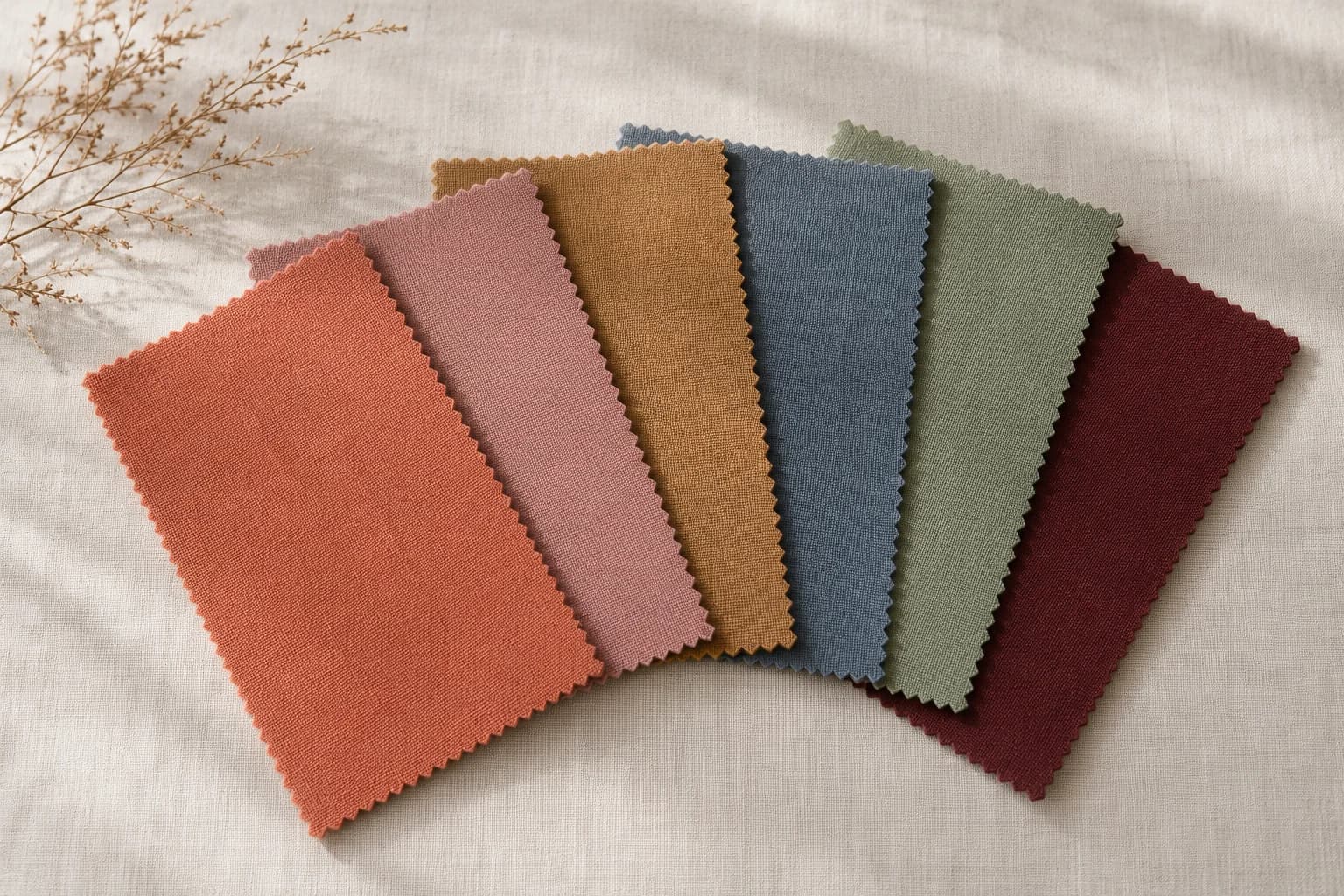
The four traits it's based on
Every color analysis system, however it's dressed up, comes down to reading four things about your natural coloring.
Undertone
The underlying hue of your skin, warm (golden, peachy) or cool (pink, blue-based). This is the single biggest factor, splitting everyone into the warm seasons (Spring, Autumn) or the cool ones (Summer, Winter).
Depth
How light or dark your overall coloring is, from your skin to your hair to your eyes. Depth decides whether pale pastels or deep jewel tones sit better on you.
Chroma
Whether your coloring reads as clear and saturated or soft and muted. Clear coloring can carry bright, high-saturation colors; muted coloring gets overwhelmed by them and needs grayed-down versions instead.
Contrast
The visual gap between your hair, skin, and eyes. High contrast (like dark hair against fair skin) suits bold color pairings. Low contrast suits colors that stay closer in value to each other.
Combine those four and you land on one of sixteen color seasons. For the full breakdown of how they interact, the 16-season guide covers each type in detail.
Where it comes from
The "seasonal" framing dates to the early 1980s, when a wave of image consultants started sorting clients into Spring, Summer, Autumn, and Winter based on their coloring, an easy shorthand borrowed from how each season looks in nature. Carole Jackson's 1980 book on the subject is usually credited with taking the idea mainstream.
The original four-season system was a blunt instrument. It grouped people with very different coloring into the same bucket just because they shared a warm or cool undertone. Later consultants added a twelve-season version, splitting each season by depth and clarity. The sixteen-season system used here is the next step in that same direction, four seasons refined by four traits instead of two.
That doesn't make it a science. There's very little research on the seasons themselves. It's a styling framework that consultants keep redrawing because each earlier version put too many people in the wrong bucket, and it's probably not done changing.
What you actually get out of it
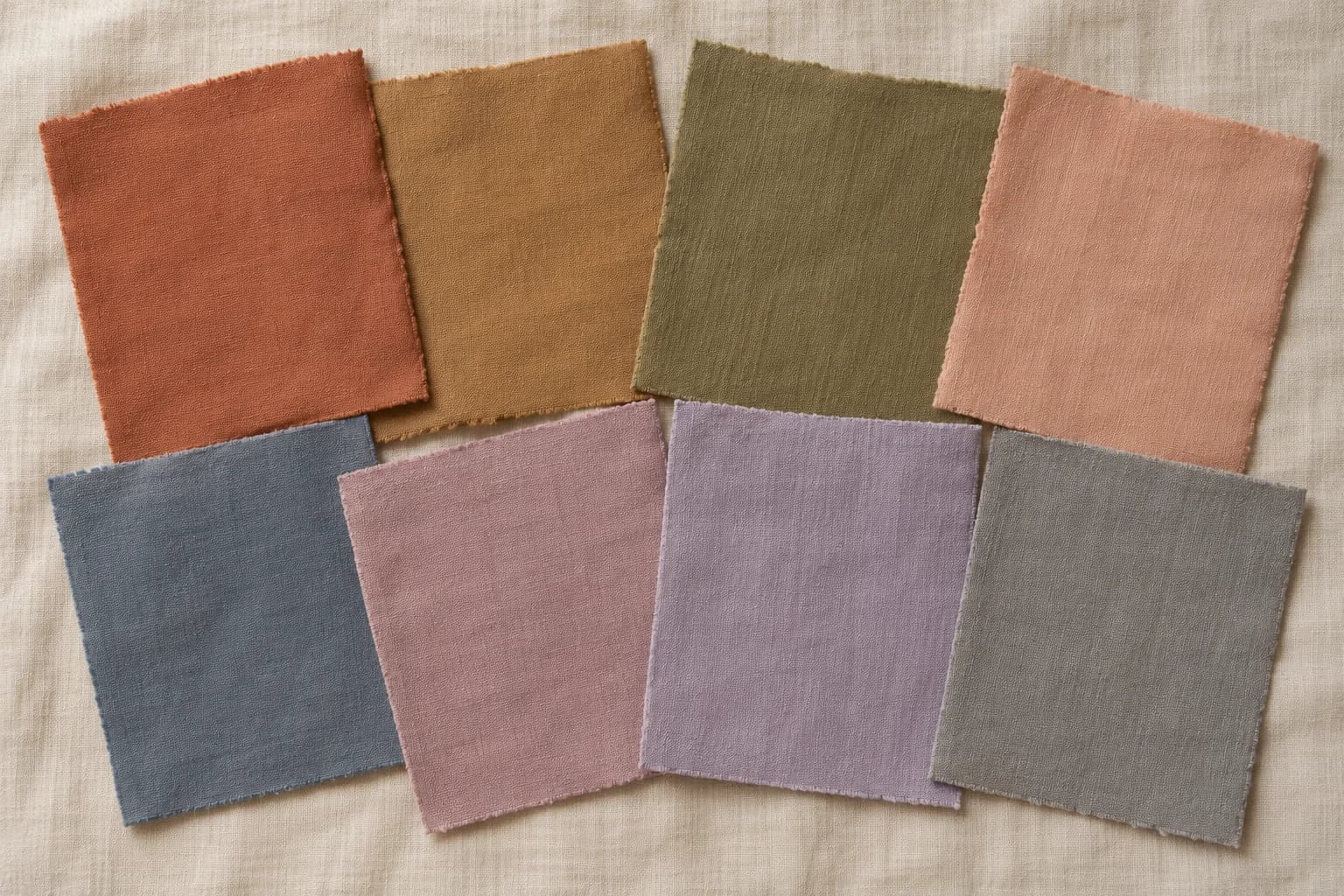
Not a personality profile, and not a strict dress code. A color season is a reference palette, usually 20 to 30 colors, that you can check new clothes, makeup, or hair color against before you commit to buying them.
Instead of asking "does this work on me?" for every single item, you get a shortcut: it's close to your palette, or it isn't. That's the entire mechanism. Whether it's useful to you depends on how often you find yourself stuck on that question in the first place, which is a separate question worth its own answer.
How people find their season
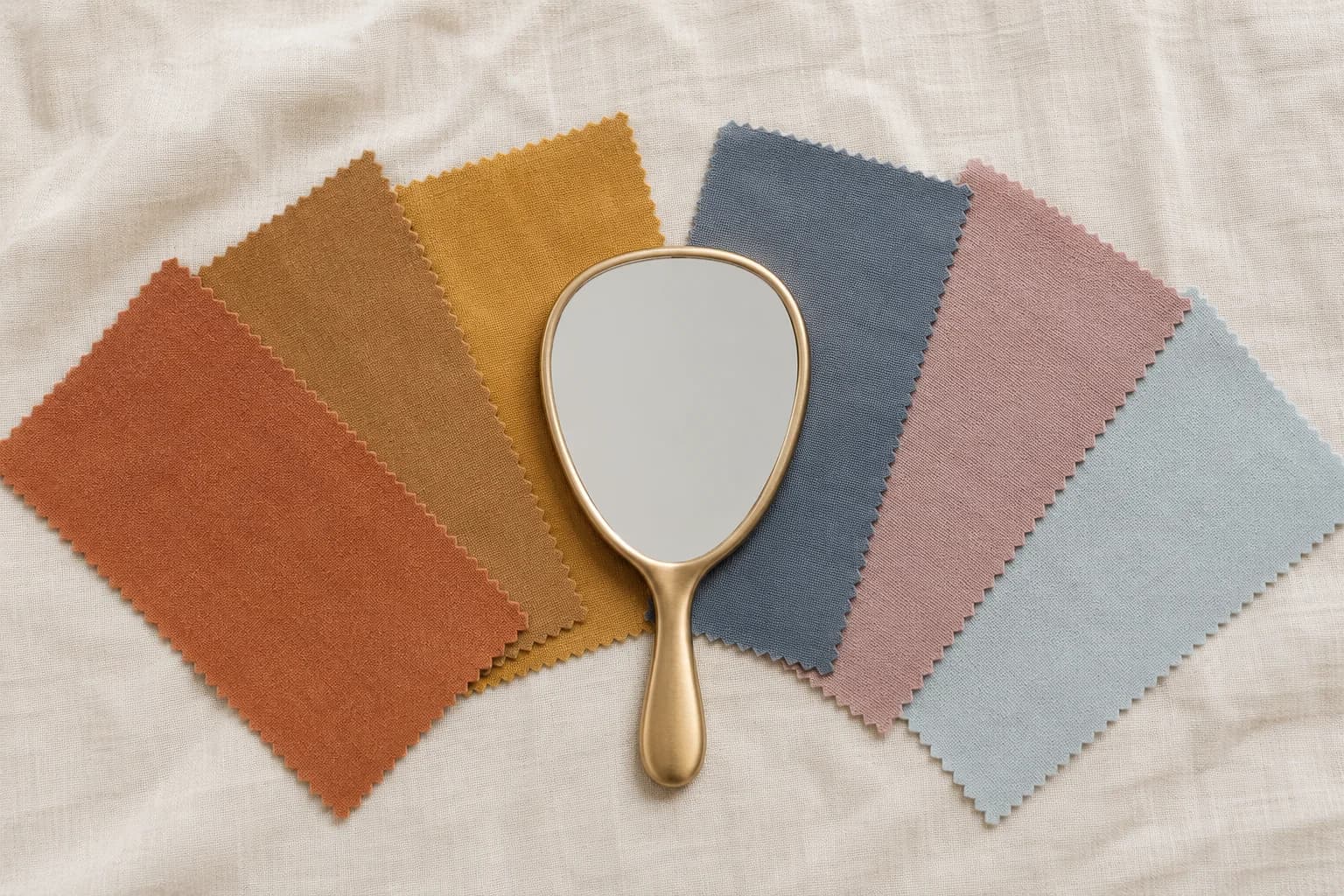
There are three routes in, and they differ mostly in cost and precision. Professional fabric draping with a trained consultant is the most accurate, since a real person compares dozens of swatches against your face under controlled light. It's also the most expensive, typically $150 to $400.
A DIY version at home, testing fabric or clothing you already own against your face in natural light, costs nothing but takes practice to read accurately. An online quiz sits in between: you answer questions about your undertone, depth, chroma, and contrast, or upload a photo, and get an instant result. It won't catch every edge case a professional would, but it gets most people to the right season, or close enough to act on.
If you're not sure your result would even be useful to you, starting with a free quiz costs nothing but a few minutes. You can always read through the four traits yourself first if you'd rather understand the logic before you get a result.
Common questions
Is color analysis the same as color theory?
They're related but not the same. Color theory is about how colors interact with each other on a color wheel, complementary pairs, analogous groups, and so on. Color analysis narrows that down to one question: which of those colors work with your specific skin, hair, and eyes.
What's a 'color season'?
A named group of colors that share the same undertone, depth, chroma, and contrast as a type of natural coloring. Four broad seasons (Spring, Summer, Autumn, Winter) cover the basics; the 16-season system splits each one further by depth and clarity.
Do I need a professional, or can I do this myself?
A professional draping session is the most accurate, but it runs $150–$400 and means booking an analyst. A DIY test at home or an online quiz gets most people to the right season, or close enough to act on, for free.
Is this based on science, or is it subjective?
A bit of both. Undertone, depth, chroma, and contrast are real qualities of your coloring, but reading them takes judgment, and the season boundaries are a styling convention, not something tested in a lab. Treat your season as a well-organized starting point. Which colors you actually wear is up to you.
Next steps
Free · 3 minutes · No signup
See Your Own Color Season
Take the free quiz and get your 16-season result. Upload a photo or answer 10 questions about your natural coloring.
Take the free quiz →