Free · 3 minutes · No signup
Find Your
Color Season
A free color analysis quiz that identifies which of the 16 color seasons works with your coloring — skin, hair, and eyes.
7,800+ people have found their color season
Free to try · No account needed · Results in 3 minutes
Analyzed by AI · immediately deleted · never stored
For free. No subscription. $9.99 once if you want the full report.
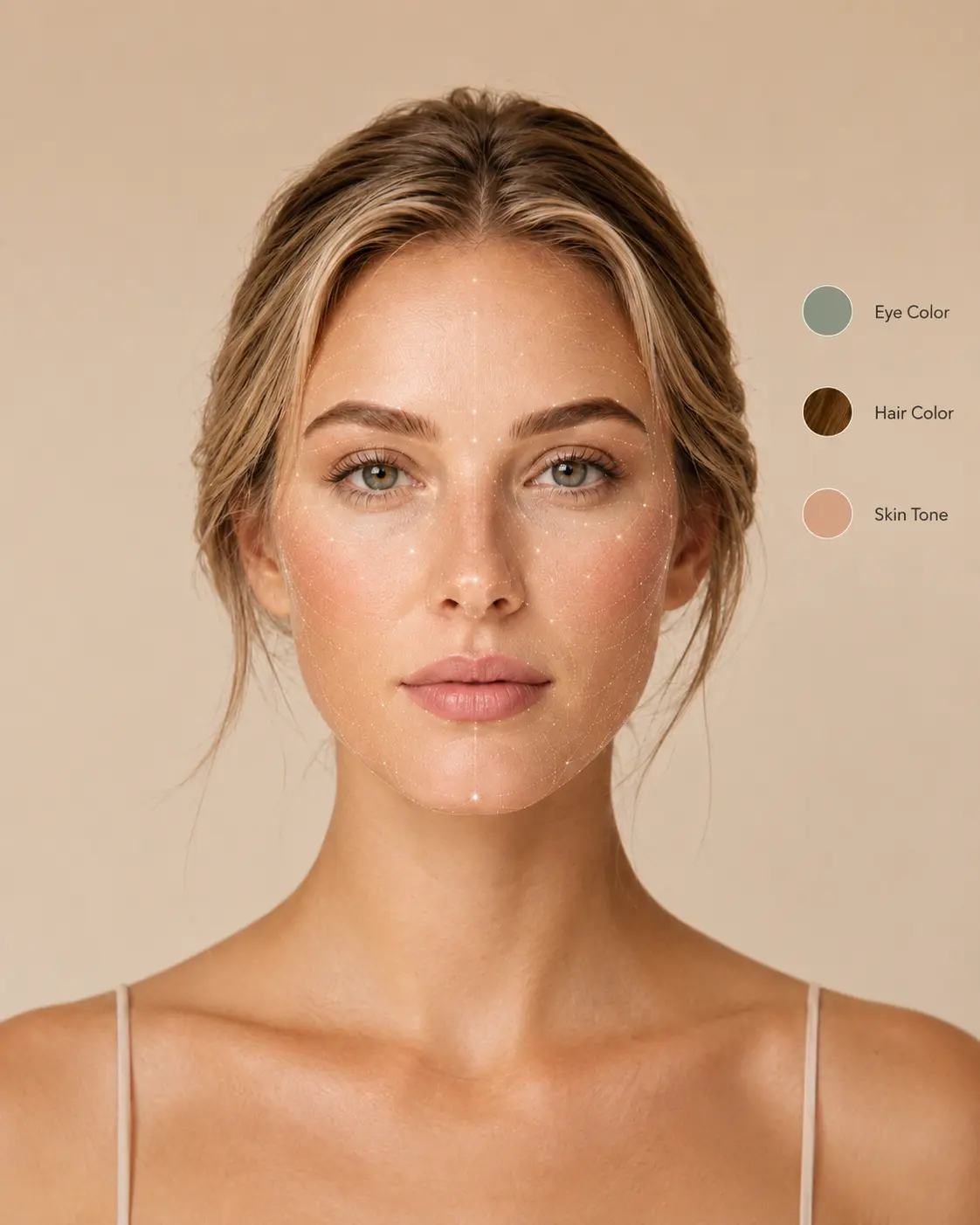
Example result
Soft Autumn
Warm · Muted · Soft contrast
The basics
What is color analysis quiz?
Color analysis quiz matches your natural coloring — skin, hair, and eyes — to colors that fit you to make look good. Wearing the right one makes you look good and energetic, while wearing the wrong ones makes you look washed out or tired, no matter what you paid for the clothes.
Undertone
Warm (golden, peachy) or cool (pink, ashy, blue)
Depth
How light or deep your overall coloring is
Chroma
Muted and blended, or clear and saturated
Contrast
How much difference between your hair, skin, and eyes
These four traits together decide which of the 16 color seasons you are in, each with a specific palette and suggestions.
Simple and free
How the color analysis quiz works
Take the quiz
Upload a photo for a 5-question shortcut, or answer 10 questions about your skin, hair, and eye coloring.
Find your season
Your answers are scored across warmth, depth, and chroma to place you in one of 16 color seasons.
Know your palette
Get your free result instantly. The optional full report adds makeup, hair, wardrobe guidance, and colors to avoid.
16 seasons across 4 families
Which season family are you?


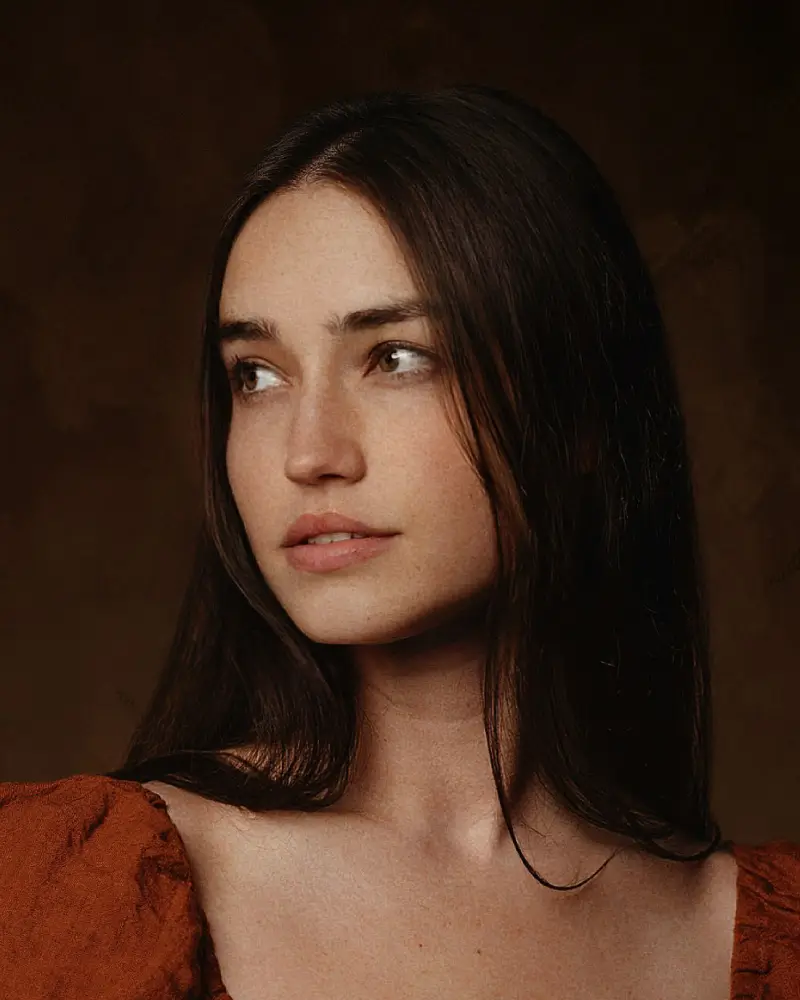

16 seasons across 4 families
Which family are you?
Spring · Warm · Clear · Light
Golden undertones. Peach, coral, warm green, golden yellow.
Summer · Cool · Muted · Soft
Cool rosy undertones. Powder blue, dusty rose, lavender, soft grey.
Autumn · Warm · Muted · Rich
Earthy, golden undertones. Rust, olive, terracotta, warm brown.
Winter · Cool · Clear · Striking
Cool or neutral undertones, high contrast. Icy white, deep navy, vivid red, pure black.
Compare options of color analysis quiz
Free, full report, or in-person?
Free $0 | Best value Full Report $9.99 one-time | In-person $150–400 | |
|---|---|---|---|
| Time to result | 3 min | 3 min | Days to weeks |
| 16-season system | Varies | ||
| Color palette | Physical swatches | ||
| AI photos of your colors & makeup — on your face | — | — | |
| Why this season | — | ||
| Color axis breakdown | — | — | |
| Makeup, hair & wardrobe | — | Sometimes | |
| Colors to avoid | — | ||
| Border season guide | — | — | |
| Wallet card & phone wallpaper | — | — | |
| AI photo analysis | — | ||
| Revisit anytime | — | ||
| Human analyst | — | — | |
| Start free | Get the report → |
Common questions
A color analysis quiz determines your personal color season by measuring four traits: undertone (warm or cool), depth (light or deep), chroma (muted or bright), and contrast. The result places you into one of 16 seasons — each with a specific palette of colors that work with your natural coloring.
The 16 seasons span four families: Spring (Light, True, Bright, Clear), Summer (Light, True, Soft, Cool), Autumn (Soft, True, Deep, Dark), and Winter (Bright, True, Deep, Dark). Each season has a palette built around a specific combination of undertone, depth, and chroma. Our color analysis quiz helps you find your season for free.
Seasonal color analysis matches your natural coloring to a palette based on the same qualities — warmth, lightness, and saturation. Wearing colors that share your undertone and chroma makes your complexion look clearer; wearing the wrong ones can make skin appear sallow, ruddy, or washed out. A seasonal color analysis quiz like this one approximates the process through scored questions about your vein color, sun reaction, and feature contrast.
Warm color seasons (Spring and Autumn) have golden or yellow undertones. Cool seasons (Summer and Winter) have blue, pink, or ashy undertones. The color analysis seasons further split by depth and chroma, so a Light Spring and a True Autumn are both warm, but one needs soft peachy tones while the other needs rich earthy ones.
It depends on how well you know your own coloring. The color analysis quiz measures the same traits a color analyst would assess — undertone, depth, chroma, and contrast, but you're self-reporting, so there's some room for error. Most people who know their vein color and how their skin reacts to sun get a result that holds up. If you're unsure about your undertone, the photo upload tends to be more reliable since the AI reads your actual skin, hair, and iris colors directly rather than relying on your self-assessment.
No. The photo upload is an optional shortcut — it pre-fills 5 of the 10 quiz questions based on your coloring. If you'd rather not upload a photo, just take the full 10-question quiz instead. The results are the same either way. Your photo is analyzed in memory to read your coloring and is never stored on our servers.
If you upload a photo, the full report generates three personalized images: one showing your best colors, one showing your colors to avoid, and one showing your season's makeup look — all as applied to your own face. They take about a minute or two to generate after you pay, and you can also add a photo afterward from the report page if you skipped it during the quiz. Your original photo is never stored — only the three generated images are saved as part of your report, and you can request deletion of your report data at any time.
Two things to check. First, look at the border season section in the full report — if your scores sit close to the boundary between two seasons, you'll see which adjacent season came second and what colors it adds. Second, the most common cause of a wrong result is undertone: if you answered warm when you're actually cool or neutral, the whole classification shifts. Contact us if you need assistant on anything.
It depends on four things: your undertone (warm or cool), depth (light or deep), chroma (muted or clear), and how much contrast there is between your hair, skin, and eyes. People phrase this in different ways — "what color am I," "what colors look good on me," "what colours suit me" — but there's no single answer that works for everyone. Those four traits combine into your color season. Take the quiz and you'll get a specific one: an actual palette, not a generic guess.
Color seasons are groups of colors that flatter a specific combination of skin, hair, and eye coloring. The name comes from the four seasons (Spring, Summer, Autumn, Winter), because each family runs warm or cool: Spring and Autumn are warm, Summer and Winter are cool. This site splits those four into an expanded 16-season system, based on depth and chroma as well as temperature.
We don't have subscriptions. The quiz is free and the full report is a one-time $9.99 payment, so nothing from MySeasonColors will renew or charge you again. If you're seeing recurring charges, you probably signed up for a different color analysis service. A few have names close to ours. The merchant name on your bank or card statement will tell you who's billing you. Still not sure? Email support@myseasoncolors.com with a screenshot of the charge or the payment confirmation email, and we'll check.
Take the free color analysis quiz
Free, 3 minutes. No account needed.