Hair Color Guide
Auburn Hair Color: The Shade Spectrum and Which Color Season Suits It Best
Auburn sits in a specific range: warm enough to read as red, grounded enough to read as brown. Here's what defines it, how the shade spectrum breaks down, and which seasonal types can actually carry it.
What is auburn hair?
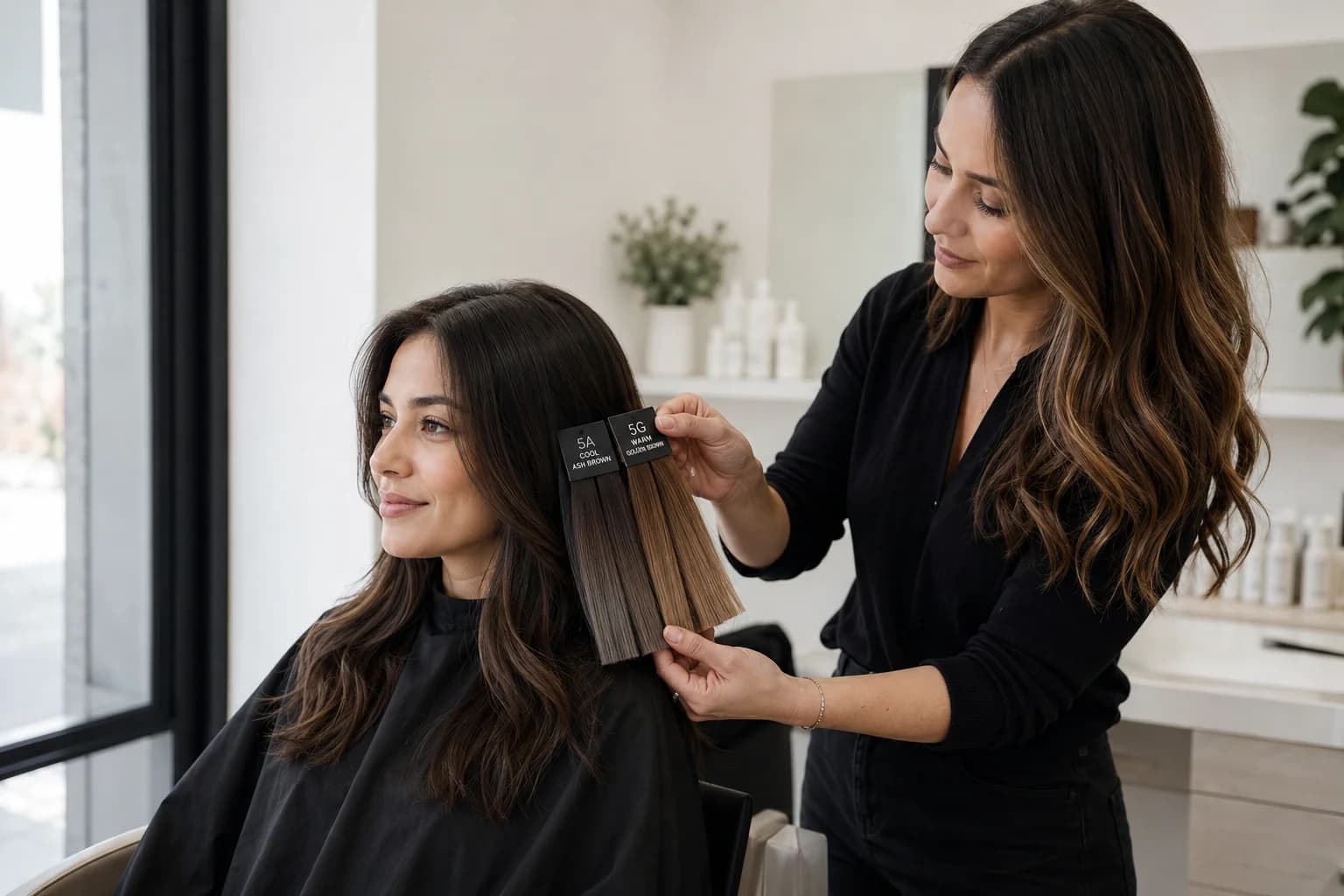
Auburn is a warm red-brown. It's not red — there isn't enough pure orange-red or blue-red to land it in that category. And it's not plain brown — there's too much golden-red pigment for that. The ratio is what makes it distinctive: warm, golden-red tones on a brown base. The result has a depth pure red lacks, and a warmth plain brown doesn't.
In direct sunlight, auburn shows copper and gold highlights that plain brown simply doesn't have. In shade or indoor lighting, it reads as a warm, rich brown with a reddish cast. The color sits firmly at the warm end of the hair spectrum, which has real implications for who it works on.
Auburn hair shades: from light copper to dark burgundy-brown
“Auburn” covers a wider range than most people expect. The shade you have — or the one you're aiming for — sits somewhere in this spectrum:
Light copper / strawberry auburn
The warmest and brightest end of the range. Heavy golden-red pigment, sometimes with visible reddish highlights in sunlight. Common naturally on fair-skinned Light Springs and True Springs.
Medium auburn
The most recognizable shade: chestnut-red with clear warmth. It sits solidly between red and brown without leaning hard either way. This is what most people picture when they hear "auburn."
Dark auburn
Deep red-brown, similar to mahogany in depth but warmer in undertone. The red reads as a cast or flush rather than the dominant note. Suits Deep Autumn and Soft Autumn particularly well.
Burgundy-brown
The deepest end: wine-tinted brown with red depth but very little overt redness. Can work on Deep Autumn and Dark Autumn types who need depth without brightness.
Which color seasons suit auburn best
Auburn is a warm hair color, which means it works with warm undertones and fights cool ones. In the 16-season color analysis system, the warm seasons are Spring and Autumn — and auburn is native territory for most of them.
The best-matched seasons are True Autumn, Soft Autumn, Deep Autumn, and True Spring. Here's how auburn plays differently on each:
Medium to dark auburn sits almost natively in this palette. Rich, warm, earthy depth is the defining quality of True Autumn coloring, and classic auburn matches it exactly.
Medium auburn, slightly softened — think chestnut more than fire-red. Soft Autumn coloring is warm and muted, so too-bright copper can overpower. Aim for the more dusty, less vivid end of the auburn range.
Dark auburn and burgundy-brown. Deep Autumn needs real depth, so lighter copper shades won't give enough contrast. The target is the darker end of auburn, where red has more brown than orange.
Light copper and golden auburn. Spring seasons need warmth and relative lightness, so the brighter, more golden shades work best, not the deep mahogany end.
Can cool seasons wear auburn?
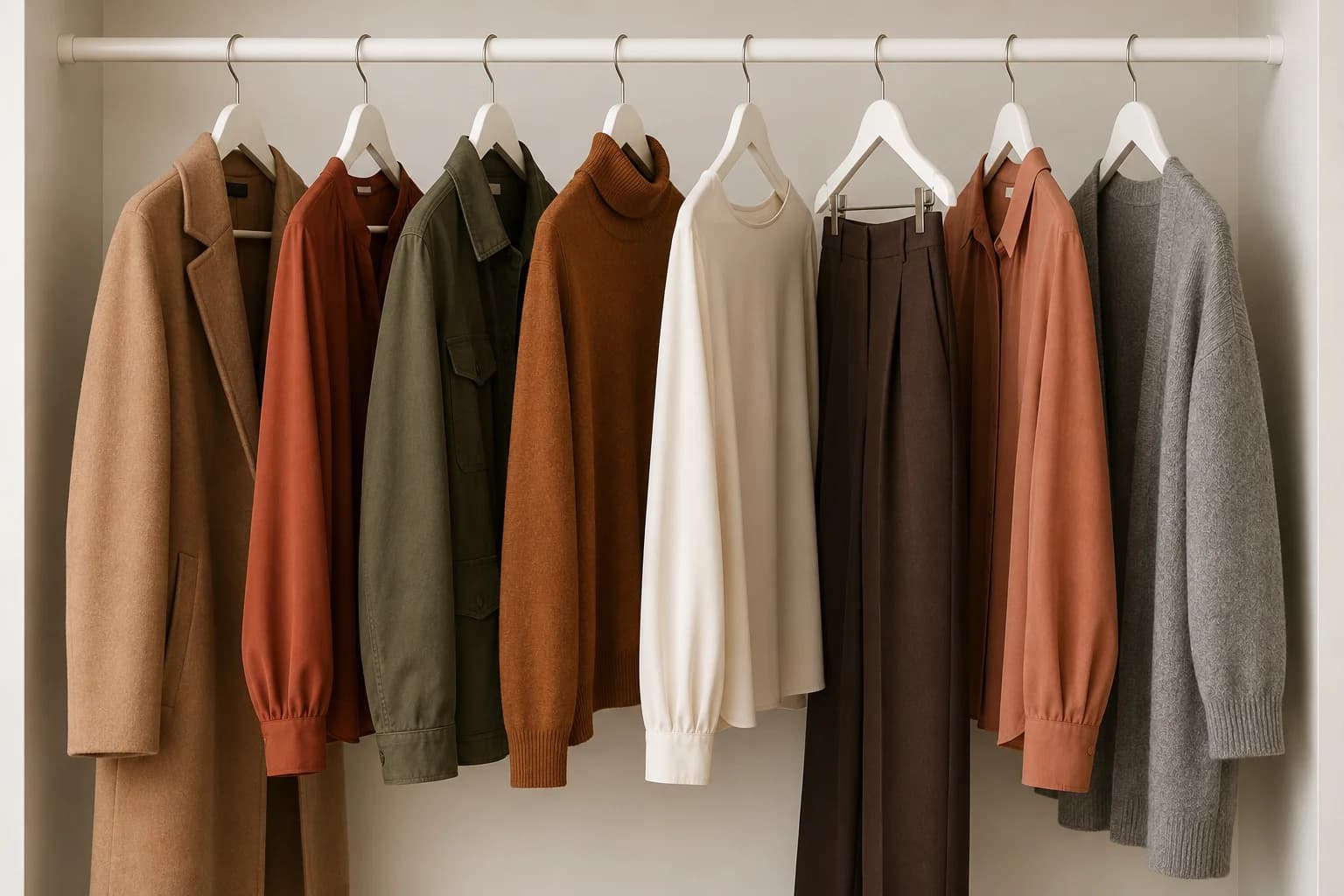
Generally no. The problem is undertone conflict: auburn's orange-gold base pulls against the blue-pink or blue-silver undertones of Summer and Winter seasons. On a cool-toned person, classic auburn tends to make skin look sallow or dull.
The exception sits at the edges. A dark burgundy-brown with more wine and less orange can sometimes work for Dark or True Winters, since the depth is there even if the warmth is dialed down. Cool mahoganies — formulas with more ash and less golden-red — are a better target for cool-undertone types who want a red-brown without the undertone clash.
If you're a Summer or Winter type drawn to auburn, ask your colorist for cool mahogany or a wine-tinted brown instead. You'll get the red-brown richness without fighting your natural coloring.
How to dye your hair auburn
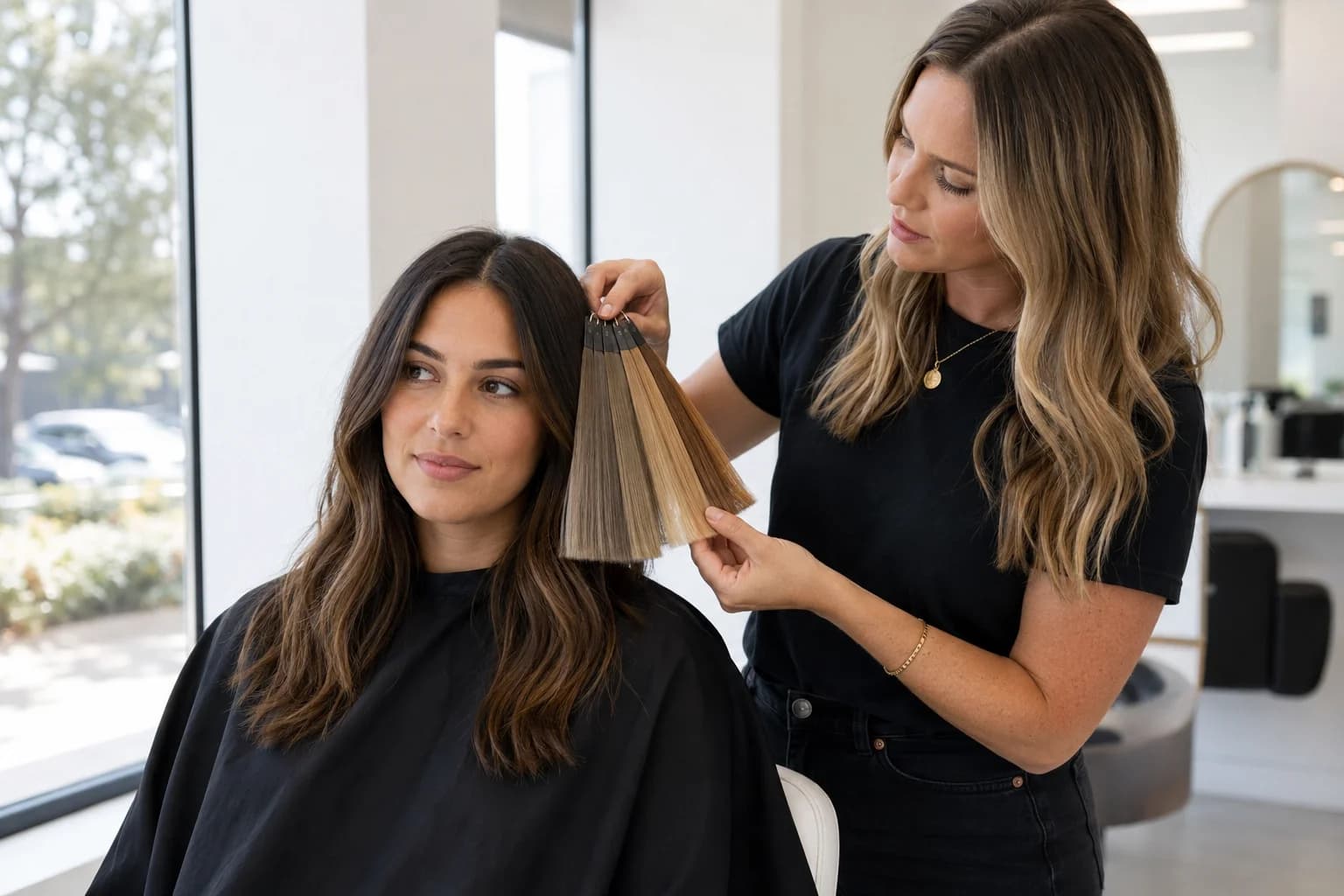
When booking a color appointment, tell your colorist you want warm auburn, not mahogany, not cool red-brown. The word “warm” does a lot of work. Avoid any formula with an “ash” modifier — that will push the result toward gray-brown and kill the golden quality that makes auburn distinctive.
Starting from very dark or very light hair means the process may take more than one session. Going from black to true auburn usually requires lightening first. Going from platinum to auburn requires a filler step to even out porosity before color takes hold evenly.
For maintenance: red pigments fade faster than brown or blonde because the molecules are smaller. A color-depositing or red-toning shampoo once a week helps maintain depth between appointments. Wash with cool water rather than hot — heat opens the cuticle and lets pigment escape faster. A gloss treatment every four to six weeks is worth it if you want to hold the tone long-term.
Frequently asked questions
What is auburn hair exactly?
Auburn is a warm red-brown that sits between red and plain brown. The defining quality is a golden-orange undertone mixed with red and brown pigment. It reads as distinctly warm and tends to catch golden light in a way plain brown does not.
Is auburn hair warm or cool toned?
Auburn is always warm toned. The orange and golden-red pigments that define it are inherently warm. This is why auburn looks best on warm-undertone color seasons (Autumn and Spring) and tends to clash with cool-undertone types (Summer and Winter).
Which color seasons can wear auburn hair?
True Autumn, Soft Autumn, Deep Autumn, and True Spring are the best matches. All four are warm-undertone seasons with the depth and warmth to carry red-brown tones naturally. Cool seasons generally look better with cool mahogany or ash brown instead.
How do I keep auburn hair from fading?
Red pigments fade faster than brown or blonde because the molecules are smaller. Use a color-depositing or red-toning shampoo once a week, wash with cool water rather than hot, and get a gloss treatment every 4–6 weeks. UV exposure accelerates fade — a UV protectant spray helps outdoors.
Free · 3 minutes · No signup
Find Your Color Season
Not sure which season you are? Take the free quiz — it covers undertone, depth, and chroma, and gives you a full palette including your best hair color direction.
Take the free quiz →