Color Analysis Guide
How to Find Your
Skin Undertone
Your undertone is the base hue beneath your surface skin color, and it never changes, even when you tan or fade in winter. Once you know it, a lot of the guesswork around what colors suit you goes away.

Undertone Is Not the Same as Skin Tone
Skin tone describes how light or dark you are, and that shifts. A week at the beach changes it. A winter indoors changes it back. Undertone is what stays constant: the subtle hue that gives your complexion its overall cast.
Two people can have nearly identical surface skin tones and completely opposite undertones. That's why one "nude" lipstick looks great on someone and flat-out wrong on another person with the same depth of skin. Undertone is what's actually driving the difference.
There are three categories: warm (yellow, golden, peachy), cool (pink, red, blue-based), and neutral. Neutral is a genuine mix of both with neither dominant. Most people land clearly in one camp, though neutral is more common than people expect.
Warm, Cool, and Neutral — What Each One Looks Like
Warm
Golden, peachy, or yellow-based. Skin often has an olive or honey quality. Sun exposure tends to go golden rather than pink. Maps to the Spring and Autumn season families.
Cool
Pink, rosy, or blue-based. Skin can look porcelain, beige-pink, or ebony with a blue-black quality. More prone to redness. Maps to the Summer and Winter season families.
Neutral
A balance of both warm and cool without a dominant cast. Neutral undertones are the most versatile — both gold and silver jewelry tend to work reasonably well.
5 Ways to Test Your Undertone at Home
No single test is definitive. Do two or three and look for a consistent pattern. That's your undertone.
The Vein Test
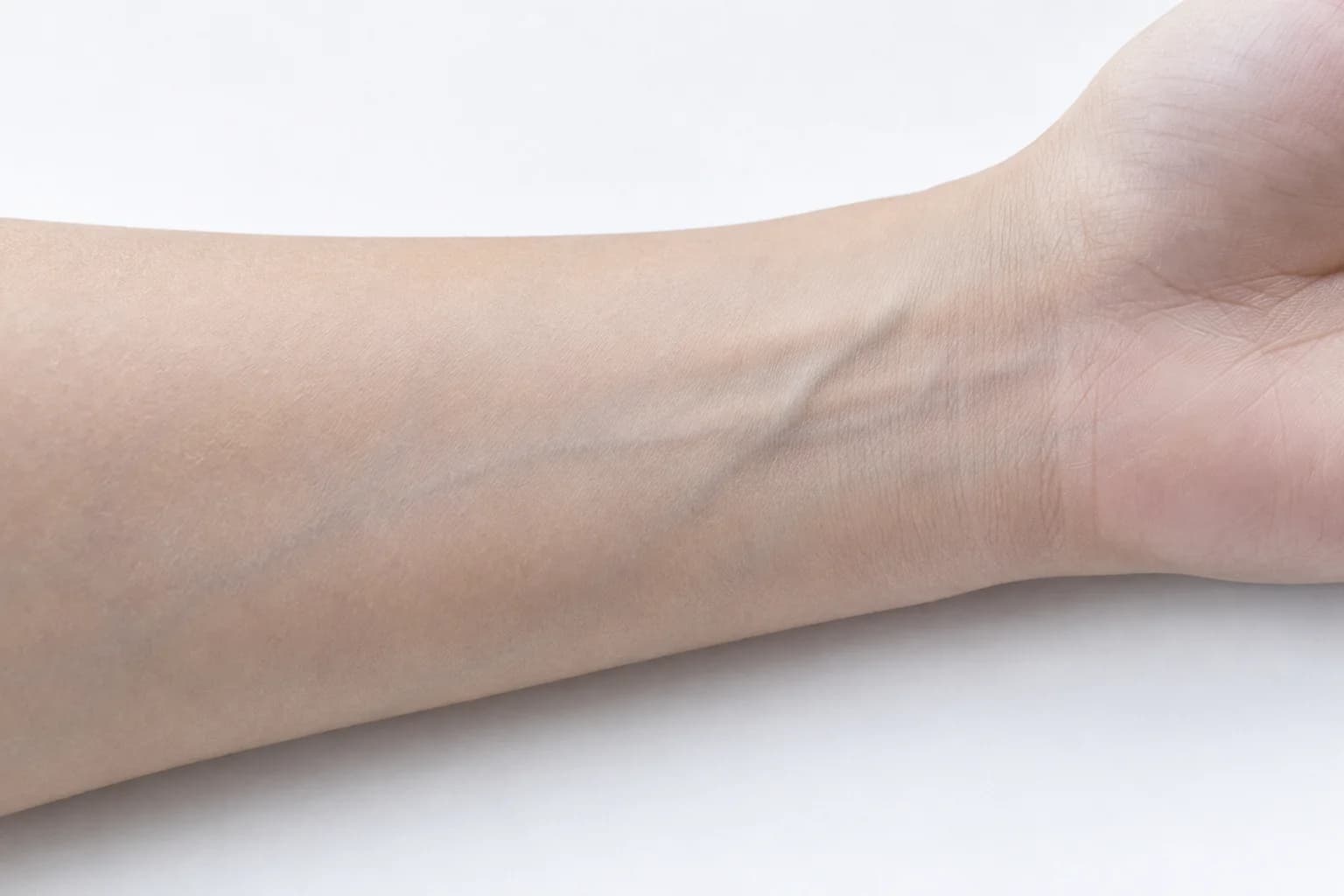
Most citedLook at the veins on your inner wrist in natural daylight, not under artificial light. If they look green or olive, your undertone is warm. Blue or purple means cool. If you can't call it either way, you're likely neutral.
Hold your wrist over a sheet of white paper to make the vein color read more clearly.
The White Paper Test
Very reliablePull your hair back, remove any makeup, and hold a plain white sheet of paper next to your bare face in natural light. How does your skin look next to it? A yellowish or golden cast means warm. Pinkish or rosy means cool. Gray or ashy usually indicates cool-neutral.
The Jewelry Test
ReliableHold a piece of gold jewelry against your skin, then swap it for silver. Which one makes you look more awake? Gold = warm. Silver = cool. Both work equally well = neutral.
This tends to be the most intuitive test because it's exactly what happens with clothing colors.
The Sun Reaction Test
Supporting evidenceThink about how your skin reacts to sun without protection. Warm undertones tend to tan fairly easily, going golden or olive. Cool undertones burn first, then maybe tan, or sometimes just stay fair.
Don't rely on this one alone, but if it lines up with the other results, it helps confirm the pattern.
The White vs Cream Clothing Test
PracticalHold a piece of bright white fabric near your face, then swap it for ivory or warm cream. Which one makes you look more awake? Bright white works for cool. Cream and ivory work for warm. This is basically the test you're already running every time you get dressed, whether you know it or not.
Vein Color, Decoded
The vein test is the fastest of the five, but the color you're looking for is more specific than just "blue" or "green." Here's what each shade on your wrist actually points to.
Blue or purple veins
Points to a cool undertone. The deeper into purple it reads, the more confidently cool you can call it.
Green veins
Points to a warm undertone. This is the most common cast for warm-toned skin in natural light.
Olive, green-brown, or hard to call
Often a sign of an olive undertone: a distinct greenish cast that comes from warm and cool pigment overlapping rather than one winning out.
A genuine mix of blue and green
Usually neutral — no dominant cast either way. Pair it with the jewelry test to confirm.
One vein reading alone isn't conclusive. If yours is genuinely ambiguous, our undertone quiz runs this alongside the other four tests and weighs them together.
Read: Vein color and undertone — the full breakdown, including mixed and hard-to-call readings→Hair Color and Undertone: What "Red" and "Blue" Really Mean
People often search for things like "brown hair with red undertones" or "black hair with blue undertones" without realizing that's a slightly different question from skin undertone, even though the two are related. Hair, whether natural or dyed, has its own undertone: a reddish, golden, or coppery cast on one side, or an ashy, blue-black, cool cast on the other.
The two usually line up. Warm-skinned people tend to have, and tend to suit, hair with red, golden, or coppery undertones: auburn, chestnut with a visible red cast, or golden brown. Cool-skinned people tend to have, and tend to suit, hair with blue-black, ash, or neutral-cool undertones, without a warm red cast pulling through.
This is also where dye choice gets specific. If you're warm and going dark brown or black, look for shades described with red or mahogany undertones rather than a flat "natural black" — flat black can read cool and slightly harsh against warm skin. If you're cool, it runs the other way: ash brown or blue-black avoids the reddish cast that can clash with cool skin.
Getting Mixed Results?
It happens. A few reasons the tests might not line up:
- —You might genuinely be neutral. It's not a cop-out; it's a real category. If gold and silver both look fine and you can't call a winner on the vein test, neutral is your answer.
- —Artificial light throws everything off. The vein test and paper test only work in natural daylight. Warm incandescent bulbs add a yellow cast that skews every result.
- —Test on your inner arm, not your face. Your face picks up redness from sun, wind, and skin reactions. The inner arm gives a cleaner read.
- —A recent tan can shift results. Wait for it to fade, or test on your inner upper arm, which rarely sees sun.
Undertone Is Just the Starting Point
Knowing your undertone tells you which half of the color wheel you belong to. Warm puts you in the Spring or Autumn families; cool puts you in Summer or Winter. But undertone alone doesn't tell you which specific season you are.
The full 16-season system adds three more dimensions: depth (how light or dark your overall coloring is), chroma (how clear or muted), and contrast (the difference between your hair, skin, and eyes). Those four together narrow you down to one of 16 types, each with its own palette.
If you already know your undertone, you're halfway there.
Frequently Asked Questions
Cool undertones carry pink, red, or blue beneath the skin; warm undertones carry yellow, gold, or peach. The fastest way to tell them apart is the vein test and the jewelry test together — if both point the same direction, that’s your answer.
"Red undertone" and "pink undertone" both describe a cool cast: skin with a rosy or reddish base beneath the surface, as opposed to warm’s golden or peachy base. It’s a synonym some guides use instead of "cool," not a separate category.
On its own, a green cast usually points to warm — it’s why warm veins read green through the skin. But a green cast alongside conflicting signals (silver looking just as good as gold, a faint gray cast in daylight) is one of the tells of an olive undertone specifically. See our full guide to olive undertones for the difference.
Yes. That’s neutral, and it’s a real, common category, not an inconclusive test result. If your signals genuinely split down the middle, neutral is the answer, not a sign you did the test wrong.
Our free undertone quiz runs five tests (vein, jewelry, sun reaction, white paper, and foundation match) in under a minute and gives you a straight answer: warm, cool, neutral, or olive.
Free · 3 minutes · No signup
Find Your Full Color Season
Already know your undertone? Take the quiz for your complete 16-season result, including depth, chroma, and a full color palette.
Take the free quiz →