Hair Color Guide
Best Hair Colors for Your Skin Tone: Warm vs. Cool
The same brunette that looks rich and glowing on one person can look flat and grey on another. The difference usually isn't the shade: it's whether the pigment underneath matches your skin's warm or cool undertone.
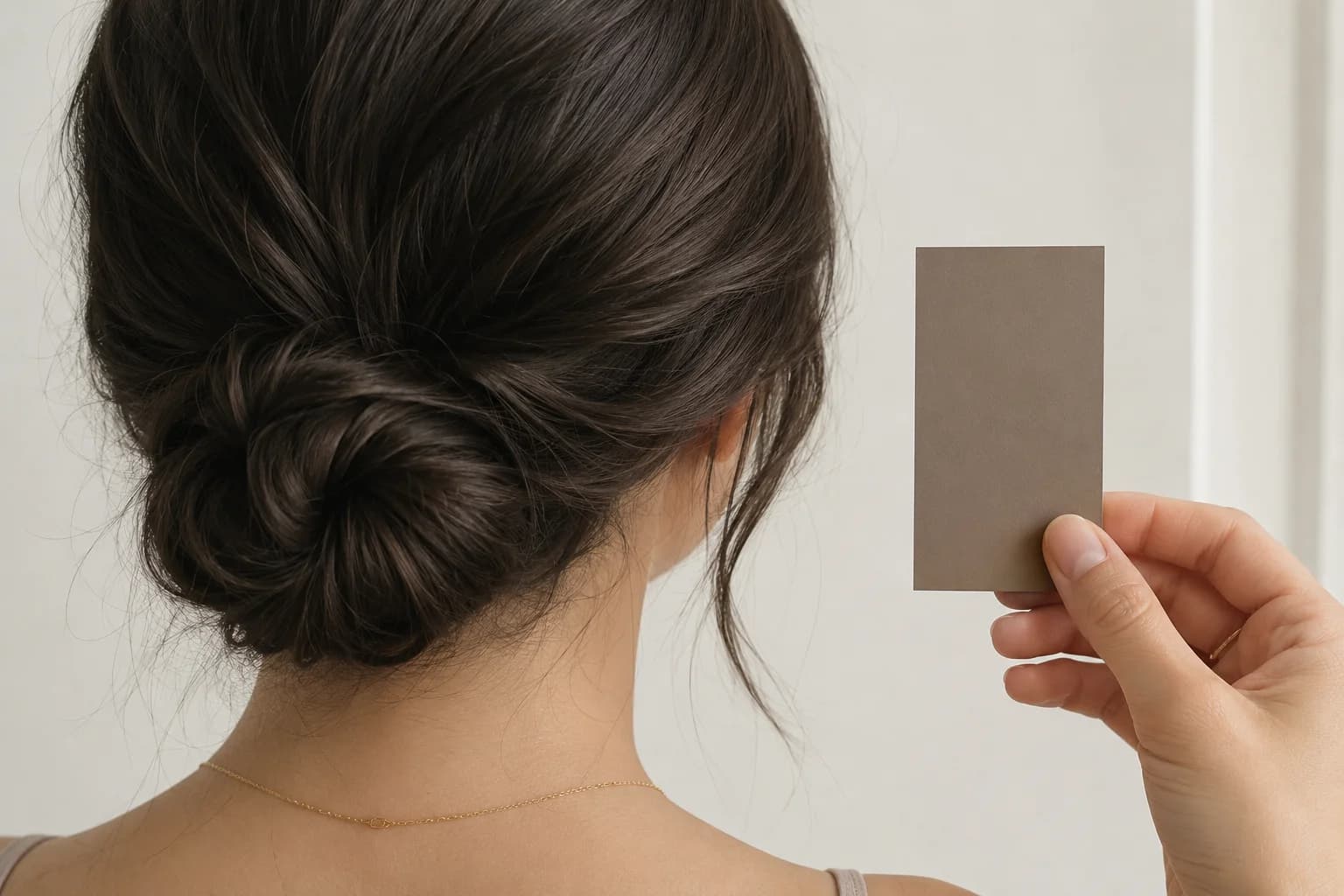
Warm or Cool? A Quick Undertone Check
Every hair color recommendation below comes down to one thing: your skin's undertone. Warm undertones are golden, peachy, or yellow-based. Cool undertones are pink, rosy, or blue-based. Two fast checks:
- —Vein test: look at the veins on your inner wrist in daylight. Greenish veins mean warm. Blue or purple veins mean cool.
- —Jewelry test: hold gold, then silver, against your skin. Gold flattering you more means warm. Silver winning means cool.
Want the full picture, including what to do if the two tests disagree? The complete undertone guide walks through five tests in detail.
Best Hair Colors for Warm Skin Tones
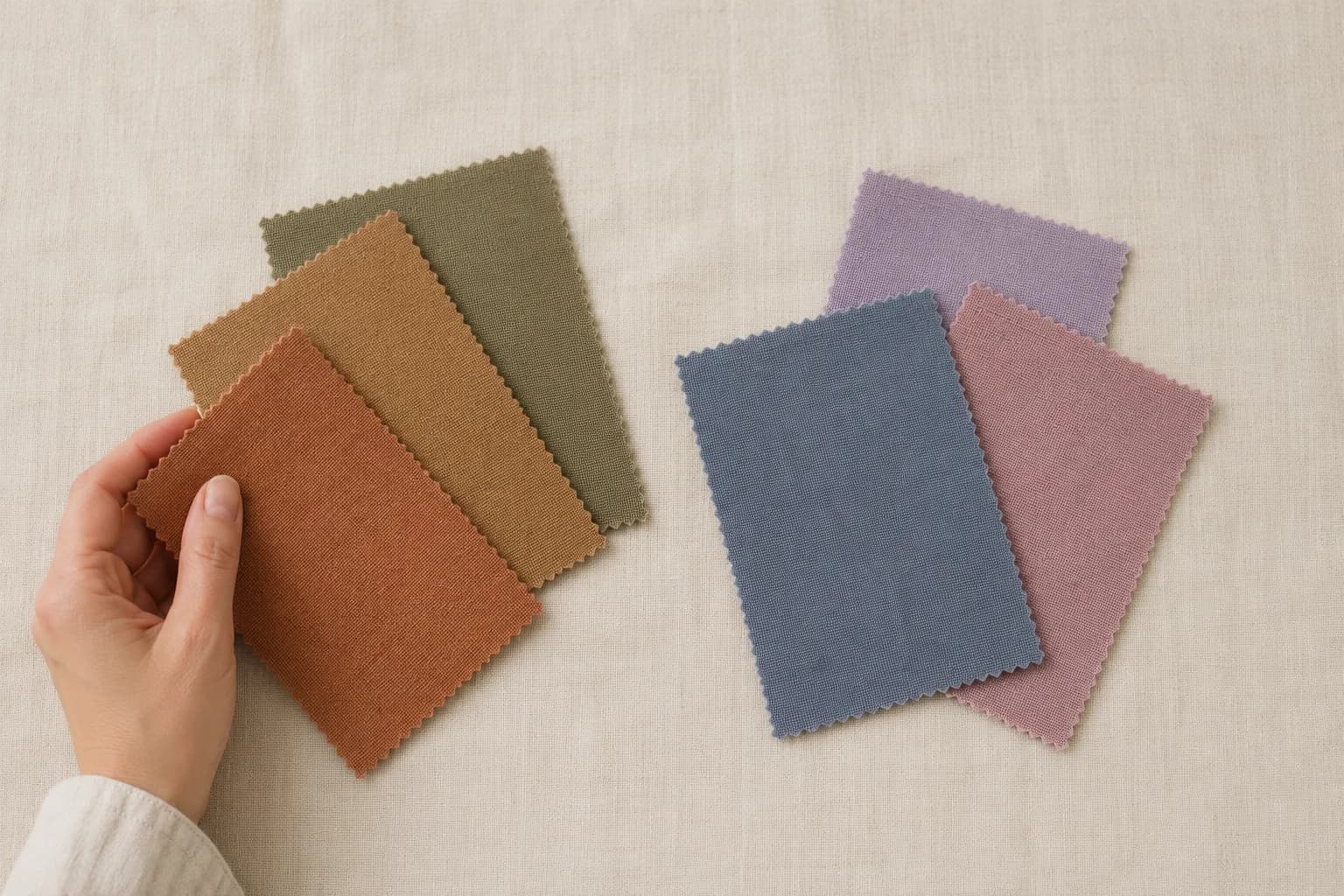
Warm skin tones sit in the Spring and Autumn color families. The common thread is pigment with gold, honey, or copper in it. Ash and platinum formulas fight the undertone and tend to make warm skin look muddy. Your exact color season narrows down which end of the warm range fits best:
Honey blonde, warm strawberry blonde, light caramel
Golden blonde, warm chestnut, copper-highlighted brown
Warm auburn, rich golden brown
Rich auburn, warm chestnut, deep warm brown
Warm medium brown, golden brown, soft caramel
Auburn, warm chestnut, copper-brown
Dark warm brown, rich auburn, dark chocolate
Warm dark brown, rich mahogany, warm black-brown
Best Hair Colors for Cool Skin Tones
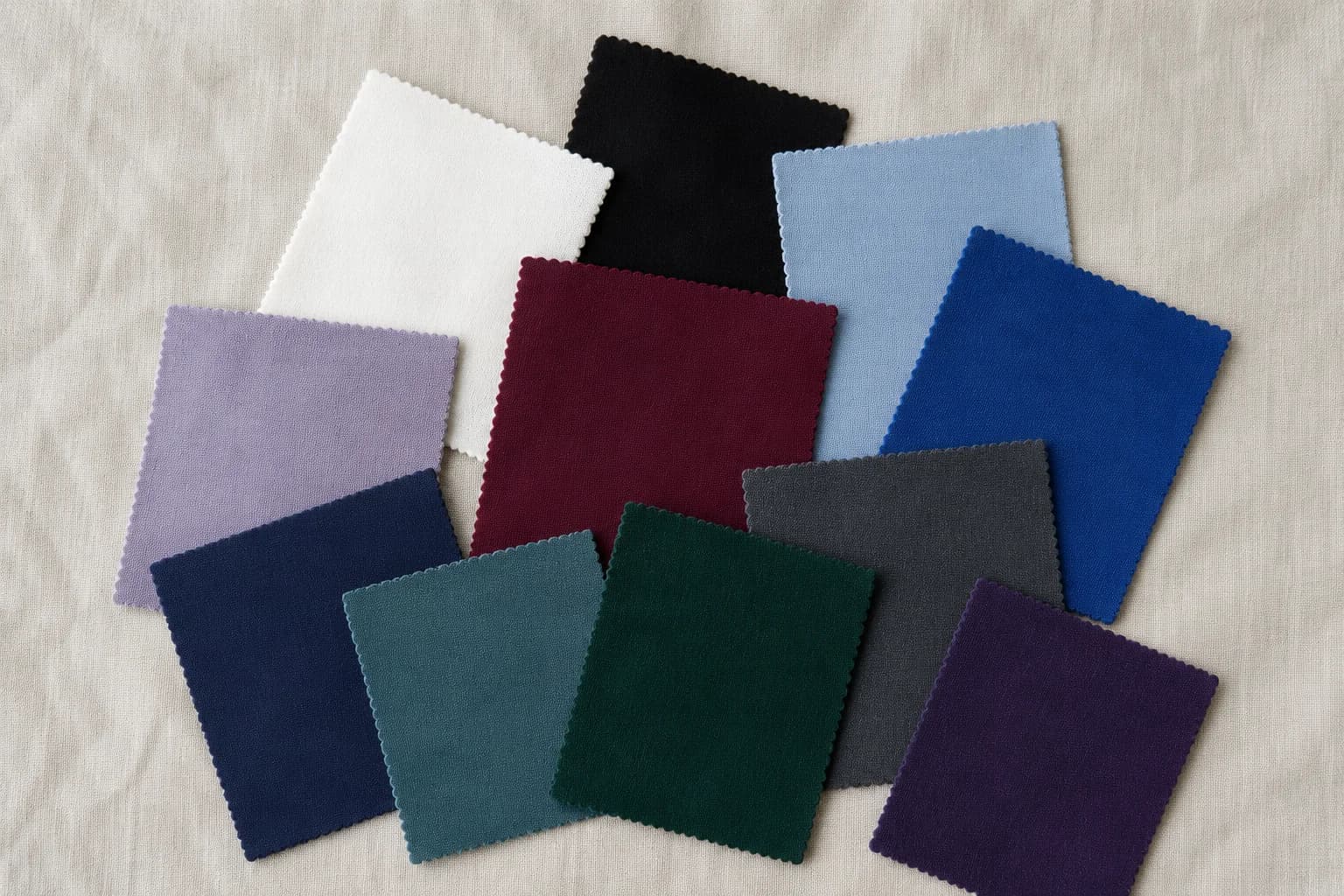
Cool skin tones sit in the Summer and Winter color families. The common thread is pigment with ash, silver, or blue in it. Warm golden or copper formulas clash with a pink or blue-based undertone and can leave skin looking sallow. Your exact color season narrows down which end of the cool range fits best:
Ash blonde, cool beige-blonde, soft light brown
Ash brown, cool medium brown, cool beige-blonde
Ash brown, cool medium brown, soft beige-blonde
Dark ash brown, cool medium brown, ashy highlights
Cool dark brown, cool black, cool platinum highlights
Cool black, cool dark brown, dark ash brown
Cool dark brown, cool black, dark ash
Cool black, very dark cool brown, blue-black
Hair Colors to Avoid for Your Undertone
The clash runs in both directions. Warm skin in ash or platinum hair often looks tired or grey, even when the color itself is well done, because the cool pigment pulls attention away from the skin's natural glow. Cool skin in golden, copper, or auburn hair tends to look sallow or jaundiced for the same reason in reverse: the warmth in the hair fights the pink or blue undertone in the skin.
Auburn is the clearest example. It's a warm hair color through and through, which is why it's such a natural fit for Autumn and Spring seasons and such a common source of undertone clash for Summer and Winter seasons. See the full auburn hair color breakdown for the shade spectrum and which seasons wear it best.
Frequently asked questions
What hair color is best for warm skin tones?
Warm skin tones look best in hair colors with golden, honey, or copper pigment: honey blonde, warm chestnut, auburn, and warm chocolate brown. Avoid ash, platinum, or cool-toned formulas — they fight the golden undertone and can make skin look dull.
What hair color is best for cool skin tones?
Cool skin tones look best in hair colors with ash, silver, or blue-based pigment: ash blonde, cool medium brown, dark ash brunette, or cool black. Avoid warm golden, copper, or red tones — they clash with a pink or blue-based undertone and can make skin look sallow.
Can I dye my hair a color that doesn't match my undertone?
You can, but the mismatch tends to show up as dullness or sallowness in the skin rather than in the hair itself. If you want a color outside your natural direction, a colorist can adjust the formula's base tone — pulling warmth out for cool skin, or adding gold back in for warm skin — to soften the clash.
Is auburn hair good for warm or cool skin tones?
Auburn is a warm hair color, so it flatters warm undertones far more reliably than cool ones. Cool-toned skin generally reads better with a cool mahogany or wine-tinted brown instead.
Free · 3 minutes · No signup
Find Your Exact Hair Color Direction
Undertone gets you halfway. Take the free quiz for your full 16-season result, including the specific hair color range that fits your depth and contrast.
Take the free quiz →