Color Analysis Guide
What Colors
Look Best on Me?
You probably already have a sense of which colors feel right on you. The question is why, and how to find more of them without spending years making the same mistakes. It comes down to four things about your natural coloring.
The short answer: it starts with undertone
Undertone is the single biggest factor. It's not your surface skin tone (fair, medium, deep). It's the warm, cool, or neutral quality underneath. Warm undertones have golden, peachy, or yellow hues. Cool undertones lean pink, rosy, or bluish. Neutral sits somewhere between.
Warm undertones generally look best in warm-based colors: earthy tones, golden yellows, peachy corals, warm browns. Cool undertones tend to look better in cool-based colors: blues, lavenders, icy whites, pink-based reds, jewel tones.
A color with a warm undertone makes warm skin look alive. The same color makes cool skin look sallow or off. When undertones match, they work together. When they fight, your skin loses.
But undertone alone only gets you halfway
Two people with a warm undertone can have completely different best palettes. Three other factors are also shaping what works.
Depth
How light or dark your overall coloring is. Light coloring tends to be overwhelmed by very deep, heavy shades. Deep coloring can carry rich, saturated colors that would wash out someone fairer.
Clarity
Whether your coloring reads as clear and bright, or soft and muted. Clear coloring looks best in vivid, clean shades. Muted coloring does better with toned-down, dusty versions; bright colors tend to look harsh against it.
Contrast
The difference between your hair, skin, and eye color. High-contrast coloring benefits from high-contrast outfits. Low-contrast coloring is better served by tonal combinations than sharp separations.
Together, these four axes (undertone, depth, clarity, contrast) determine your color season. There are 16 types in the full system, each with a specific palette built around all four.
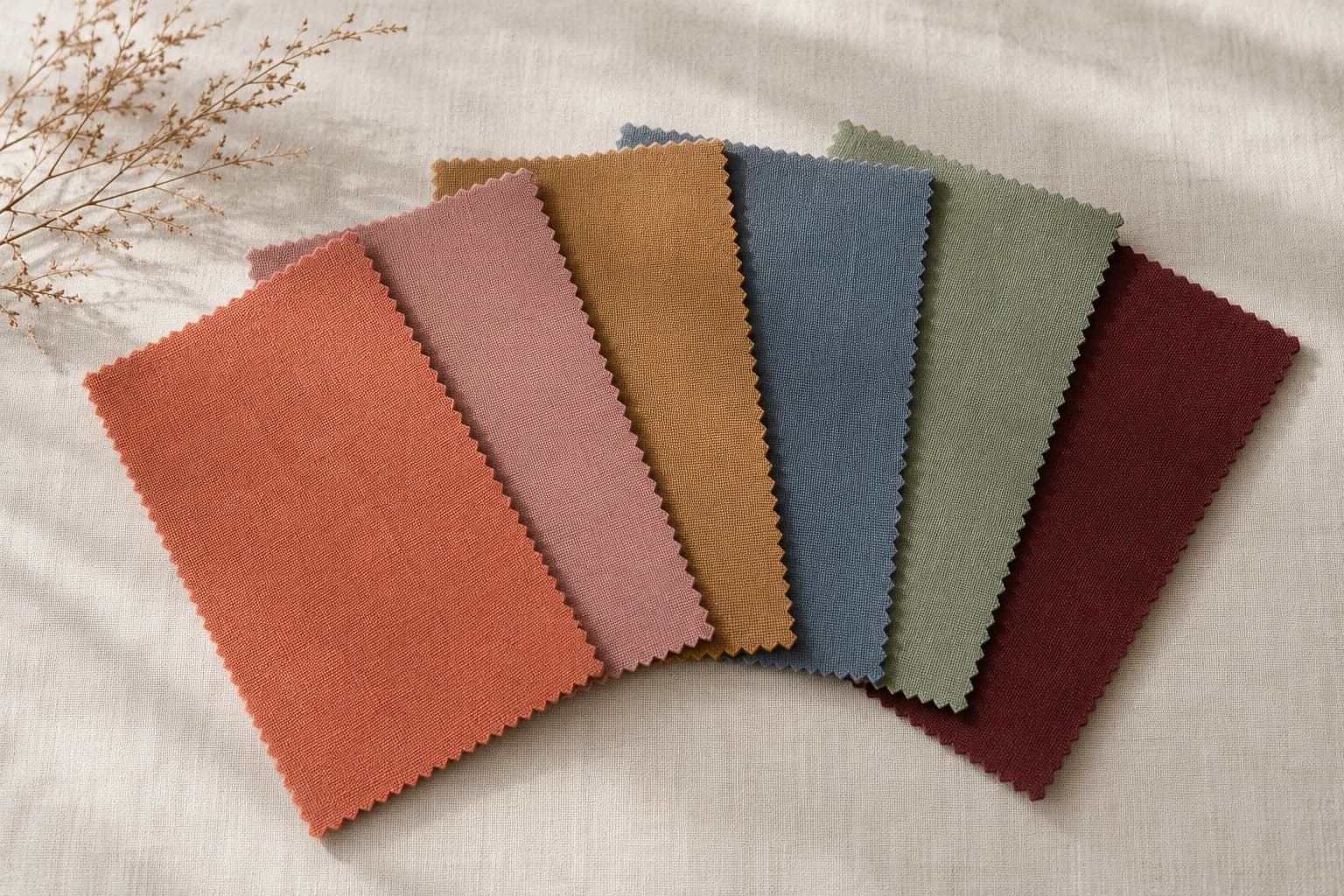
What the four seasons tell you
The four seasons each describe a different combination: warm or cool, and clear or muted coloring. Within each parent season there are four subtypes, but this is a useful starting point.
Spring
Warm + clearBest colors are warm and bright: coral, warm peach, golden yellow, clear green, camel, ivory. Fresh and vivid rather than heavy or dusty.
Avoid: Heavy earth tones, cool greys, icy blues
Summer
Cool + mutedThe palette is soft and cool: dusty rose, lavender, soft blue, cool grey, sage, muted mauve. Colors are never harsh or electric, more like slightly faded versions of themselves.
Avoid: Bright oranges, warm yellows, strong earth tones
Autumn
Warm + muted or deepRich, warm earth tones are the foundation: terracotta, olive, warm brown, mustard, rust, dark teal. Grounded and warm, often with a slightly dusty quality.
Avoid: Icy pastels, cool pinks, stark white
Winter
Cool + deep or clearThe highest contrast and most saturated palette: pure white, true black, icy blue, sapphire, burgundy, vivid cool green. In-between shades tend to fall flat.
Avoid: Warm browns, muted earth tones, orange
Why the same color looks different on different people
Take royal blue. On a True Winter (cool undertone, deep coloring, high contrast) it's striking. The blue is cool-toned, the coloring is cool-toned. They pull in the same direction.
On a True Autumn (warm undertone, deep coloring, muted clarity) the same royal blue looks wrong. The cool sharpness of the blue fights the warm, grounded quality of Autumn coloring. It's not that the shade is ugly — it just doesn't belong there.
That's why "does this color look good?" is the wrong question. "Does it look good on me?" is what actually matters, and the answer depends on your four axes, not the color on its own.
Common mistakes that lead you astray
Most color mistakes fall into a few predictable patterns. Recognizing them is half the fix.
Wearing what's trending instead of what works for you
Trends rotate through palettes quickly. If the color of the season doesn't work with your undertone, no amount of styling will fix it. Palette first, trend second.
Confusing surface skin tone with undertone
Surface tone (fair, medium, deep) and undertone (warm, cool, neutral) are different things. Deep skin can have a cool undertone; fair skin can have a warm one. Most color mistakes come from shopping by surface tone rather than undertone.
Ignoring depth: wearing colors too light or too dark for your coloring
Someone with deep coloring can wear dark chocolate brown in a way that reads as grounded and rich. On someone with light coloring, the same shade can look heavy and draining. Depth matters almost as much as undertone.
Wearing all-neutral outfits and wondering why they look flat
Neutrals are safe, but they work differently depending on your contrast level. If your hair and skin are high-contrast, a single-tone neutral outfit loses the contrast that makes you look sharp. High-contrast types need contrast in their outfits, not just in their individual colors.
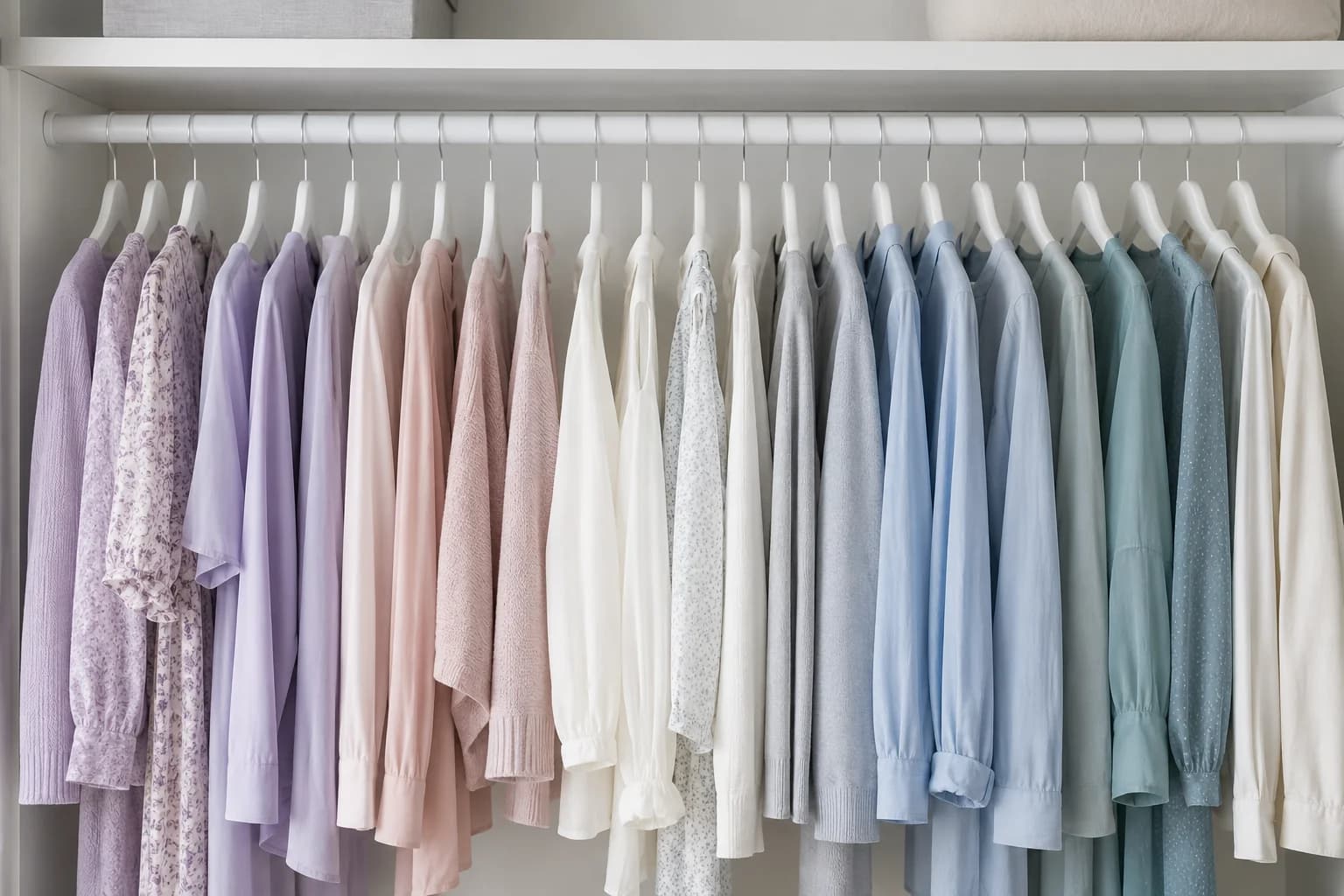
How to actually find your colors
Start by identifying your undertone. The most reliable at-home method: look at the veins on your inner wrist in natural light. Blue or purple veins suggest a cool undertone. Green or olive veins suggest warm. A mix points to neutral. There are four more tests in this guide.
Once you have your undertone, factor in your depth (how light or dark you are overall), your clarity (vivid and sharp versus soft and muted), and your contrast (how different your hair and skin are).
That combination places you in a season, which gives you a palette you can actually use.
Common questions
What colors look best on warm skin tones?
Warm skin tones generally look best in earthy, golden shades: terracotta, olive, rust, camel, peachy coral, warm yellow. Cool or icy tones tend to compete with warm undertones. Within warm coloring, depth and clarity narrow it further: warm + light is Spring, warm + muted or deep is Autumn.
What colors look best on cool skin tones?
Cool undertones tend to look best in blue-based shades: dusty rose, lavender, cool grey, navy, icy white, burgundy, and jewel tones like sapphire and emerald. Warm yellows and oranges often create a muddy contrast against cool skin. Cool + light and muted is Summer; cool + deep and clear is Winter.
Does my hair color affect what colors I should wear?
Hair color is part of your overall coloring; it contributes to your depth and contrast. Dyeing significantly lighter or darker than your natural color shifts the equation. Color analysis works from your natural coloring as the baseline.
What colors make you look more vibrant?
Colors that work with your undertone tend to make skin look alive and even-toned. For warm types, clear warm shades worn near the face do this. For cool types, it's blue-based or icy shades. Colors that fight your undertone tend to make skin look grey or dull.
Free · 3 minutes · No signup
Find Your Color Season
Answer 8 questions about your natural coloring, or upload a photo, and get your season instantly. No email, no credit card.
Take the free quiz →